Social Media, Mental Health and Living Your Best Life

Social Media isn’t reality, did you know that?

It feels like recently there has been a lot of acknowledgement that people tend to post a ‘best of’ of their lives of Instagram and Facebook- nights out, impressive meals, pretty hotels etc. and that can sometimes make us feel bad about our own lives; that we are perhaps not exciting enough, successful enough, interesting enough.

More people now, possibly in response to this, post more mundane / normal things on Social Media (if you want to know what I’ve eaten at any given time check my Instagram stories and there will be a not very attractive meal that may or may not have some nutritional value to it but to be honest is likely to involve cake, because I’m a fitness instructor and like to fuel my body with foods that provide it with value but I also really really like cake).  That’s good right- fewer perfect lives and more normality will make people feel less disheartened?

But actually does it?  Is my account any different from someone living their best life?  I would say my social media is reasonably warts and all, I post the days I eat the food I planned but I equally post the unplanned cake and chocolate.  I post pictures on nights or days out but my Twitter account, which is basically a tool for complaining to Northern Rail about their ever worsening service, demonstrates that my daily commute is far from glamorous and my days are simply long most of the time.  Yet even I unwittingly self ‘airbrush’ my own life.  In what ways?  Well, obviously not everything I do or eat gets posted, so I might not specifically hold back certain things and post others, but what I do post can’t totally reflect my day or who I’ve seen / spoken to or how I feel (I’m a historian by degree and we will tell you that all historical accounts are subjective so this isn’t something new with the advent of Facebook).  If I’m feeling a bit anxious or down for whatever reason I’m a lot less likely to post anything, so it’s not that I always feel OK and sarcastic as my accounts may suggest, just that my response to not feeling on top form is to withdraw a little rather than tell the world.  So even if you follow people who are pretty open and honest you still don’t see everything.

This make me sound like I’m not keen on Social Media but that isn’t the case at all.  I use many forms frequently and find the positives outweigh the negatives for me personally most days.  But nothing is cut and dry.

Social Media allows fitness professionals to talk to people openly beyond the clients in their gym and there are many excellent fitness professionals, both well known on Social Media and those only known more locally, who provide great insights to people for free.  This can potentially then encourage someone to go and seek out more advice and make huge strides in their fitness journey.  Equally, advice and posts could be misunderstood or someone could take advice that was meant for a different demographic to them and not get the results they want.  So positives yes, but we also need to be careful about what we say and promote.

Social Media can connect people who would otherwise not have met and provide opportunities to get advice and mentorship from such people and allows businesses to connect with clients on a more human level.  Equally it can cause debates and misunderstandings as people don’t know each other to understand why they have those opinions or view points because their situations are different. It often appears easier to argue with someone you never have to see and that can create an environment where people feel more able to say things they wouldn’t in person.

Social Media has opened up conversations around mental health.  Now I’m still a little dubious about this.  I like how people feel more comfortable talking about it.  I am less keen on how sometimes when people do post things about their own mental health they can be met with well meaning but not necessarily helpful reactions.  It’s tough to know whats really going on behind even the most honest of status.  I think being aware of the emotions of the people we talk to daily is a better way to show support to others.  Watching out for the signs that suggest that someone is maybe a bit stressed or anxious is possibly going to be more helpful on a realistic level.  However well meaning, we aren’t doctors or health care professionals and whilst listening to people express their feelings on Social Media can help both break down barriers and make the person in question feel heard / better understood, it also encourages us to offer advice – which might end up being helpful but equally could not be. Our feedback could end up being harmful to the person posting. Nonetheless the reduction in stigma surrounding mental health issues is a positive thing.

Social Media can help keep you motivated.  I know of many social media accounts which responsibly promote building a healthy mindset and teach hacks and systems which allow you to approach life’s challenges and which don’t try and fix whether you are ‘happy’ or not (if you are interested I can direct you to some people). Equally however there are well meaning posts that show a happy picture and a quote about only wanting to deal with positive vibes.  Those posts are probably normally quite personal to that individual and reflect what they are feeling at that moment and are not a dig at others.  Yet I sometimes feel they could have a negative effect on people who maybe at that point do not feel positive.  Because let’s acknowledge that depression means you don’t always feel positive but that this doesn’t mean you are a ‘negative’ person.  In reality we all have days when we don’t feel 100% positive and that doesn’t make us negative people.  Sometimes we don’t need to be told to be more positive we just need to be able to vent or have a rant and clear out our mind / work though our thoughts. When we post on social media we don’t always think how our words could be interpreted by others, nor can we be held responsible for how someone else takes our words of course – this is just another one of the double edged swords of the medium.

Like real life, Social Media isn’t all great and isn’t all bad – it’s messy and can be viewed differently day by day.  So in reality how we respond to anything whether it be something showing someone’s ‘best life’ or someone posting something real and honest is going to depend on how we feel ourselves that day and on any given day the same post could be viewed as inspirational and motivational or equally something which makes you feel a bit shit. That’s our internal reflection of what we see more than what is actually posted.

So yes, sometimes accounts may only show the best bits, but I think all accounts however honest and real can affect people in different ways regardless iof intention.

How do we deal with that, because for a lot of us, Social Media is a part of life and just dropping out isn’t necessarily an option we want?

Well in part I think just acknowledging that Social Media is always a life through a filter or a censored opinion – even when we think it’s totally real- it’s just not possible to be 100% real via a computer / phone or photo, even when you try. I go back to history as my example, as a historian all sources are tainted by subjectiveness – be they propaganda materials or diaries and personal testimony.  

Some people are more honest and open in how they use Social Media though so you could look to pick people to follow who match with your values and make you feel better / empowered rather than crap – people who will talk to you, respond to questions with honest answers.  If there are people on your feed on any site who make you feel rubbish you can remove them or mute them (because you may not be able to remove your mums neighbour three doors down without causing awkwardness in the supermarket).

If we choose to use Social Media for positive it can be a great addition to our life, it just needs to be something that we are aware of how it affects us and react accordingly to that. That means breaks when needed and setting boundaries that work for us (because everyone’s limit will be different).

Beyond that, I believe working on our own emotions and head space is a really important thing. How we train, eat, feel can be impacted by Social Media only so much when we are in the best place we can be at the time. How often does a post trigger you into a mood on a bad day but on a good day you’d find the same thing funny? That is why when I don’t feel so great I spend less time talking on Social Media. It is also why I haven’t just invested time and money into my physical well being but I also work with a trainer on my mindset as well – our wellness is a much more rounded package than just our bodies.

For me systems and creating habits in the real world, which help me respond differently to triggers than I used to is the key to then feeling healthy towards what I see on Social Media (and beyond).

This blog started as one thing and then sort of meandered elsewhere so apologies for the random nature of what has essentially been a mind dump on how I feel about Social Media and mental health, but as I said I have systems in place that help me process my own thoughts and sometimes this blog ends up being one of them … so here it is a very public social media style way of considering social media.

Also – sometimes we just do nice things and want to post them for people to see. So as reflective as I have been sometimes we really just had a nice holiday and want to share!

Would love to hear your thoughts – whether you agree of disagree!

Things I’ve Learnt – Re-Blog

I wrote this six months ago- all still remarkably true and relevant.

  1. You aren’t perfect.

I think I’m like most people in that when I start something new I want to be 100% perfect or I feel like I’ve failed and need to start again.  But it’s impossible to never have slip ups on a long term plan.  Getting out of the cycle of deciding a whole week was a write off become of a bad day or bad meal was one of the biggest factors to starting to see results.

  1. Day 30 (or 60 or 100 or 200) is harder than day 1.

People always talk about Day 1- and in some ways Day 1 is tough, it’s the starting something new, the first step in making changes. But by the same token, Day 1 is exciting – it’s the start of something new, when you feel all positive and hopeful.  Sticking to something once the novelty wear off or once results start to slow is the real challenge.

  1. Consistency and steady progress is boring.

Everyone loves a Facebook status or Instagram post where they can show their before and after pictures demonstrating dramatic results.  Realistically though long lasting changes take time and progress isn’t always immediately apparent.

  1. The loudest people in the gym often don’t have a clue.

When I started venturing into the free weight section alone I used to feel so inferior.  All these people claiming space and equipment and confidently broadcasting their strengths and opinions on how things should be done.  I tend to assume that if someone is loud and forward with their opinion they must know their shit- and yeah, some do.  Get comfortable in the environment and take time to look and you will see however that many do not!  Go in, do your own thing with confidence and don’t worry about what anyone else is doing in terms of training or weights.

  1. You need to eat more.

I used to try and keep my calorie intake low – the bigger the calorie deficit the better.  Really, this makes you tired, makes training harder and will eventually stop you getting results.  Stick to a sensible calorie deficit and results will come and will be easier to maintain.

  1. There is no such thing as an ideal diet.

And by ideal I mean those diets you see advertised in magazines- ‘Eat all the cake and still lose weight’ ‘Drink all the Gin and still lose weight’.  We would all like that magic diet which would allow us to eat as much of our favourite foods as often as we like and still loose 10lbs per week.  Essentially, though, if you look at them, all these diets still involve some form of restriction – eat low calorie meals through the day and allow yourself cake everyday in moderation (i.e. a small slice).  You therefore have to accept that you can eat what you want within reason but if you also want to stay within a calorie allowance and hit your Macros you will need to balance that out with sensible options for other meals. I have 4 pretty strict days to allow me the freedom to have 3 pretty relaxed days and stay within my goals.  That means for 4 days a week I sometimes have to say no to things I want in return for that relaxed weekend.

  1. Some days will be shit.

Not all training sessions will be fun, not all will bring PBs, sometimes you will feel like you have made no progress.  If every session was a great session they would just be your normal sessions.  Accept that even a tough session will bring benefits to you and don’t sweat it.

  1. Rest is important

When you start it feels like you will get more results if you keep on going and do as much as you can.  Rest allows your body to recover and prevents over training though and in the long term will improve your results.

  1. You can’t do everything.

It’s tempting to try and master as many things as possible.  Realistically though unless you are naturally talented at something the chances are you will need to devote time to things to master them.  Therefore trying to win a Strongman competition whilst also training for a marathon is probably not going to work.  Pick your thing and focus on that.  I wanted to run a second marathon but with teaching classes around my full time job I had to accept that finding time to fit the training in would not be possible and as I didn’t want to take a break from teaching I put that aim on the back burner.

  1. Weight is a bad indicator of progress.

Muscle weighs more than fat, your body is full of water blah blah blah.  At first you may be able to monitor your weight- eventually you will need to go off clothes size or pictures if you don’t want to feel completely demotivated.

International Men’s Day

Apparently today is International Men’s Day,

Think back to International Women’s Days when from Facebook and Instagram you KNEW it was International Women’s Day because EVERYONE had something to post.

I wrote a blog post that day about needing a day to acknowledge women specifically because as a gender we are still marginalised in many ways in society.  Essentially you could argue the other 364 days of the year are International Men’s Day.

But I think the article below articulates well, why celebrating men is also important in removing gender stereo types and bias.

Sometimes it’s good when you read something to consider your own opinions and their validity and this article made me do just that.

Click here for the link

Most People are Kinder to Others – Discuss

This week I’ve only trained twice (about 30 minutes both times) and I’ve only taught three classes.  This isn’t because I’ve been lazy (well not totally), I had a trip mid-week and whilst I could have fitted in a couple of extra sessions I decided to listen to my body and get some extra sleep.

I’ve also not really paid any attention to my eating.  Some meals I’ve prepped and taken with me to work (perhaps 60%) but whilst travelling I didn’t really think about what my body needed and have largely eaten what was convenient and I wanted.  Normally I do four Paleo based days a week and this week I haven’t done this at all.

These two things combined have left me feeling a bit sluggish.  Logically I know it’s stupid.  I’ve still done about 3.5 hours exercise over five days and statistically I’ve eaten vegetables more times than I’ve eaten chips.  But I’m very much an all or nothing person.  One bad week won’t undo months of hard work in the same way one good week won’t immediately turn you into an Olympic Athlete.  The brain, however, isn’t always a muscle that reacts logically to events.

When I feel like this I often instinctively think, right I need a really ‘good’ week next week and I’ll do every training session planned and eat perfectly and not eat cake and so on and so on.

But, this isn’t good for me.  We are only human.  We need to know that when we have weeks where we do a little less or eat a few too many calories it’s ok as long as we don’t let it continue for too long.  I know that if I feel ‘fat’ because I’ve not had a perfect week of eating or training then there’s something wrong with my own mindset towards my body.  Nobody can be perfect all the time and trying to be sets you up for failure (and there we have that never-ending circle of feeling bad about ourselves)

Of course this is easier said than done and writing this doesn’t mean I suddenly feel great and healthy and happy with how I look today.  Knowing something isn’t logical and not letting it bother you are two different things and overcoming those little demons in your mind isn’t always easy and even when you do overcome them sometimes they can creep back in!

But I’m not fat – a ‘bad’ week hasn’t made me fat.  I’ve put a little weight on recently, yet in comparison to a few years ago I’m fit, I’m healthy and I’m in a much more positive position than I was.  It’s ok to have a little wobble at times but we need to be kinder to ourselves in terms of our own expectations.  Because if someone else outlined my week to me as their own I’d be pointing out all the positives, but because I’m looking at my own week I’ve focused on all the things I haven’t done.  Most people are kinder to others than they are to themselves I’m pretty sure I’m not the only person reading this to need to be reminded of that.

We all have mental health

10th October is World Mental Health Day.

I have suffered from (do still) depression and anxiety.  It’s an important topic and I’d be happy to talk to anyone – whether they need someone to talk to or want to just gain a greater understanding.

BUT

Mental health isn’t just depression or anxiety or any one singular condition. Mental Health is something we all have – it’s how we deal with life, how we feel.  You might feel great that’s still mental health.  We all need to be aware of how we take care of ourselves, to keep ourselves well mentally and much as physically.  Self care isn’t only for people with illnesses – it’s soemthing everyone needs to practice.

Every year there is a specific focus of World Mental Health Day–This year being “young people and mental health in a changing world”.

According to WHO “Half of all mental illness begins by the age of 14, but most cases go undetected and untreated. Our focus is on building mental resilience among young people, to help them cope with the challenges of today’s world.”

One challenge highlighted is the impact of technology in people’s lives.  This topic can go beyond young people however, there will be few people of any age who do not find themselves increasingly relying on various forms of technology in all aspects of their lives (if you’ve lost your phone recently you will probably have realised just how much this is the case).

Social media is probably one of the most obvious ways in which technology has changed the world in a matter of years. The expanding use of social media undoubtedly brings many benefits to our lives – we can develop social contacts and business relationships regardless of location.  However, the same technology can also bring additional pressures into our lives, as connectivity to virtual networks at any (ALL) time of the day and night grows and becomes the norm.  Being ever connected and seeing more aspects of other people’s lives in a way we previously would not have can have a profound effect on our own mental health and how we view our own situations.

Only this morning I was having a conversation with a member at a gym I teach at who recently removed themselves from Facebook for this very reason.

They have been away studying at university and seeing pictures of friends from home together every week, having fun together as a group, whilst this person was miles away and couldn’t be with them produced negative emotions. Despite speaking to them and knowing that these Facebook posts were not the full picture (during the week these friends barely get a chance to speak and it’s not all constant socialising) the emotions the Facebook posts created wasn’t positive and since removing themselves from Facebook they feel happier.

We all know social media posts create a version of our lives whether we mean to put a filter on things or not it’s inevitable that it happens.  Whether we present something as glossy and amazing or terrible – we have decided how it is presented to the world.  The world then views it from their own prism and puts their own spin on what we’ve said.

All this sounds like I’m anti social media but I’m not.  I use Facebook, Instagram (occasionally Twitter, never really got the hang of Snapchat) and obviously I blog.  I have got work from and made business connections through the advances in social media.  It has so many benefits and can add value to your life as long as you are aware that it can also add new types of pressure.

So here are a few ideas of things you can do to protect your own mental health and help create a healthy relationship with technology:

  • Keep social media buttons organised together in a folder on your phone and keep it away from your home screen so you don’t feel like a slave to the sometimes endless notifications popping up.
  • Decide when you will look at messages and emails (maybe once or twice a day) and ignore all incoming things in between these times – if it’s urgent people can call you!
  • Try not to look at your phone for the first hour after you wake up. Getting some fresh air and thinking about your day without seeing what others have posted can change your outlook on the day completely.
  • Try not to look at your phone for an hour before you go to bed. This allows you time to unwind and relax before you go to sleep which will probably help you get to sleep quicker.
  • If you use a sleep app which tracks your REM cycles they often mute all social media notifications once turned on which helps if you struggle with self control on reducing message checking.
  • Just like parents do with their kids – give yourself maximum daily screen times. Don’t let yourself mindlessly scroll through social media platforms.  Give yourself a limit each day and once it’s been exceeded stop mindlessly scrolling through your feeds.
  • Call people sometimes. Having a chat can be great for your mental health and takes away the anxiety that can be created via the misinterpreting of a text message.
  • Actually arrange to meet up with people too when you can!
  • Remember that what people post isn’t always 100% what you think it is- those pictures of smiling people don’t show the argument they had 10 minutes beforehand because someone forgot to put the bins out.
  • If you find yourself getting annoyed by someone’s posts there are a variety of ways of muting them whilst remaining their friends
  • If you enjoy using an app – use it. If you start to feel it adds stress – stop.  I use Facebook and Instagram and enjoy interacting with people on it.  Snapchat just stressed me out so when I got a new phone I just didn’t install the app.

As much as technology may cause some increased stresses to our mental health it also allows people to talk about it more openly about the topic of wellness and to a much wider audience so there are lots of positives to our changing world.

Talking about and being aware of the potential issues arising from change can help us work though them and stay well.  We all need to be aware of our mental health and develop systems to help us maintain a happy healthy life as our surroundings change.  That’s not easy- believe me I know – but days like today and discussions like the ones created by days like this can all play a part in helping work towards better mental health.

Buddy Box Review

Earlier this month I received the September Buddy Box in the post.

Buddy Box is one of those subscription boxes a product which has grown in popularity recently often boxes filled with the latest beauty products – that you get in the post once a month, filled with products you don’t know you’re getting until they arrive.  The appeal here coming from not knowing what you will receive ahead of time, and getting to try new and different products you may not otherwise.

These boxes have a different purpose however.  They are designed to promote self-care, with each months box having a theme related to looking after yourself and taking some time out for you.  You can buy the boxes on a subscription basis or as a one-off box.

I first came across the company, Blurt, a couple of years ago when I was going through a period of severe depression and a friend gave me a subscription to these boxes – now every now and then I buy one and it gives me a little push to look after myself a bit more than normal.

Blurt, in their own words “exists to make a difference to anyone affected by depression. Being diagnosed can be overwhelming – there’s a lot to learn and plenty of prejudice to battle. Telling people is tough, and not everyone will understand. That’s why we’re here for you, whenever you need us, for anything at all.”  One of the ways they do this is by their subscription self-care boxes.

https://www.blurtitout.org/

This is what I got in the September box:

https://www.blurtitout.org/product/grotty-times-buddybox/

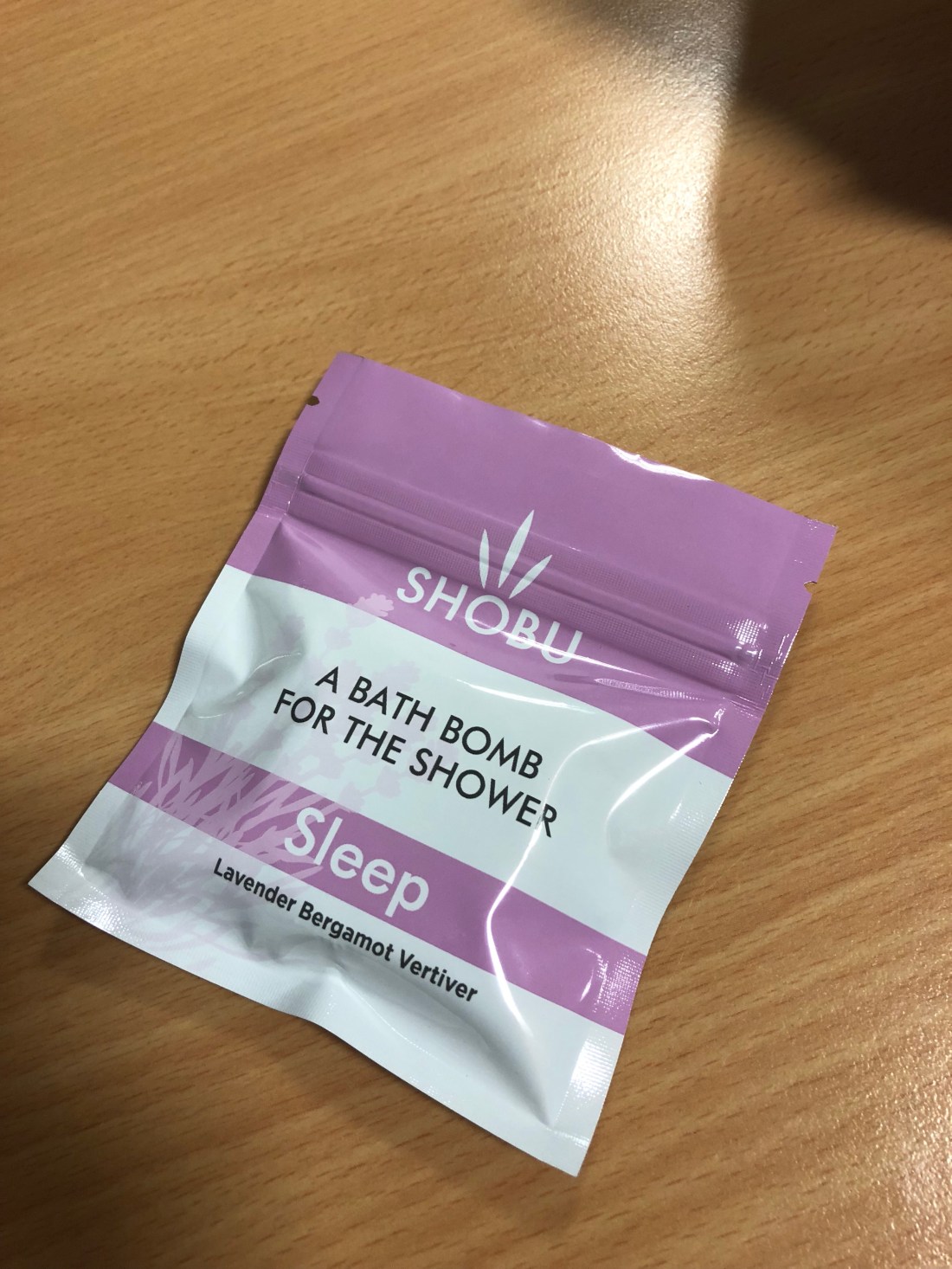
  • Bath bomb for the shower – I’ve not tried this yet but the Lavender smell is designed to help you sleep – something which can help you feel better when you’re stressed and down. I’m not a huge fan of baths so I like he idea of  a bomb for the shower.  I’m saving it for the next time I want a chilled early night – possibly this weekend.

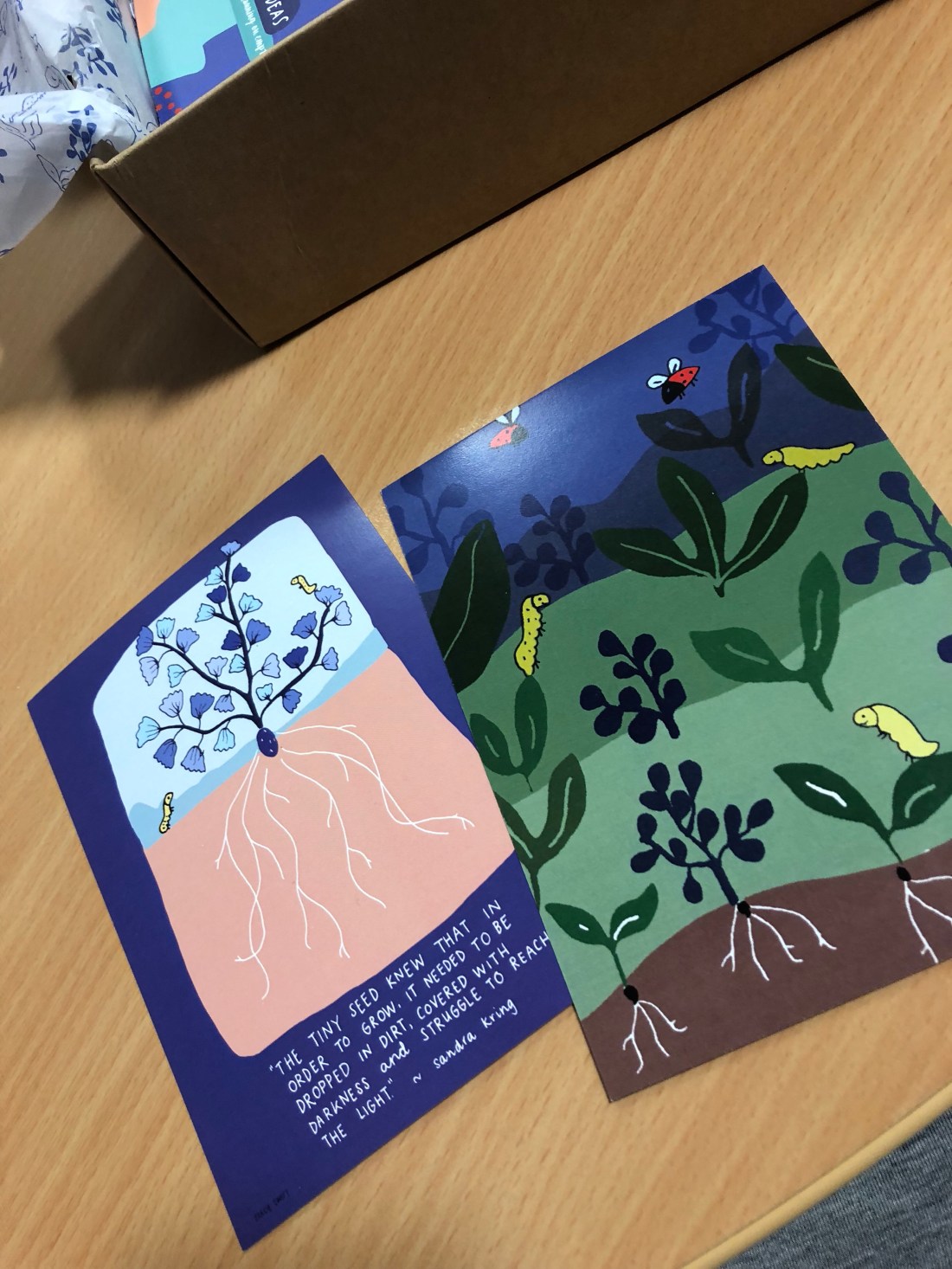
  • 54 Self Care Idea Cards – A set of 54 cards- each with a self-care idea on them. The idea is when you need to take a moment for yourself you can pull out a card at random and try the idea on the card.  I’m not sure how well this will work if your already feeling unmotivated but I like th idea of small actions creating self care and it does take away the need to have to think of what to do away from you- which during low periods can help in iself.  These might live on my bookcase so I can grab them as and when.

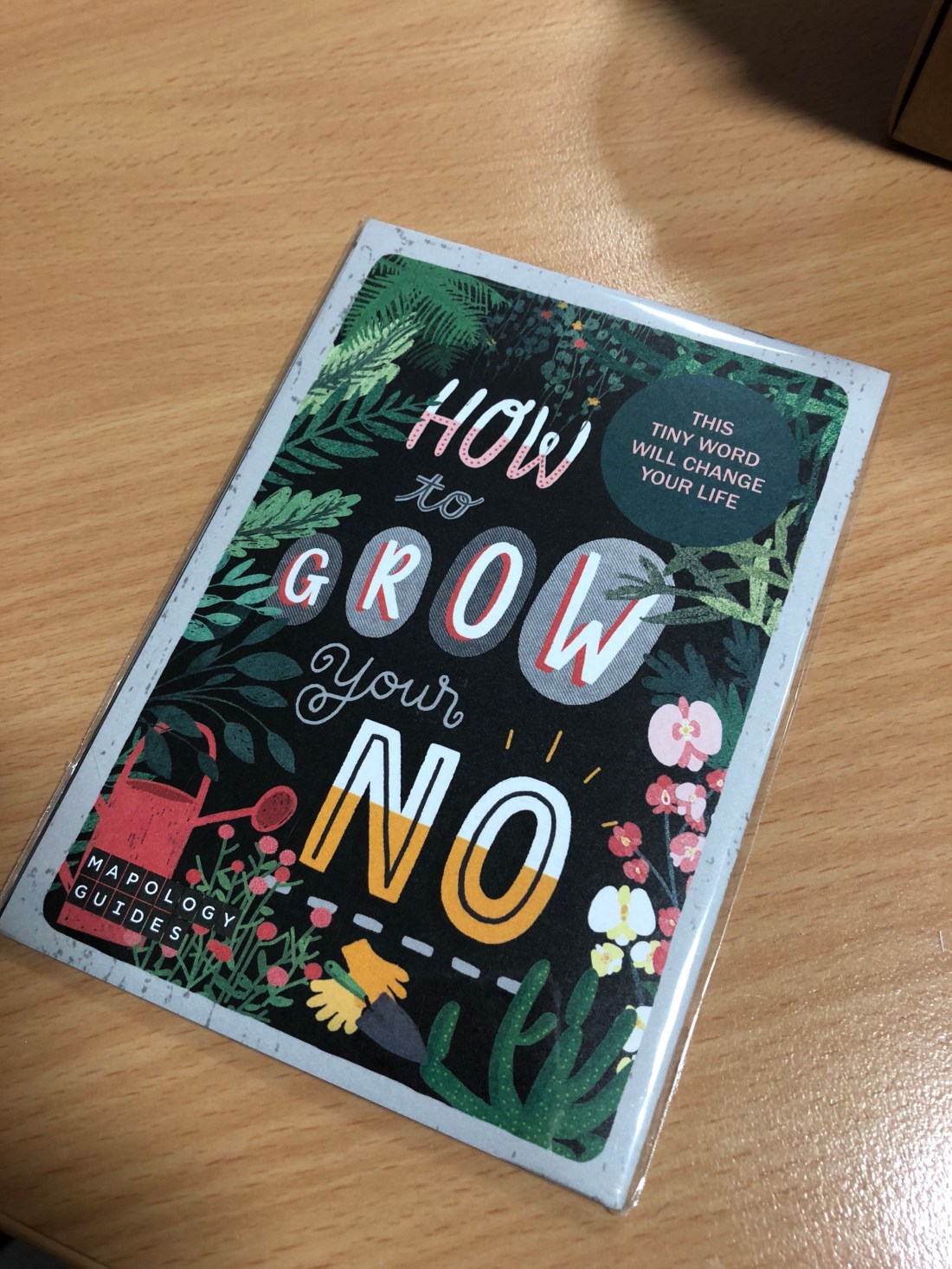
  • How To Grow Your No map – A map guide of how to learn to Say No! Not sure how I’ll use this but it’s an interesting little guide into how you can build up slowly to saying no when you really don’t want to do something – a great tool for those who suffer from anxiety and find themselves saying yes a lot.

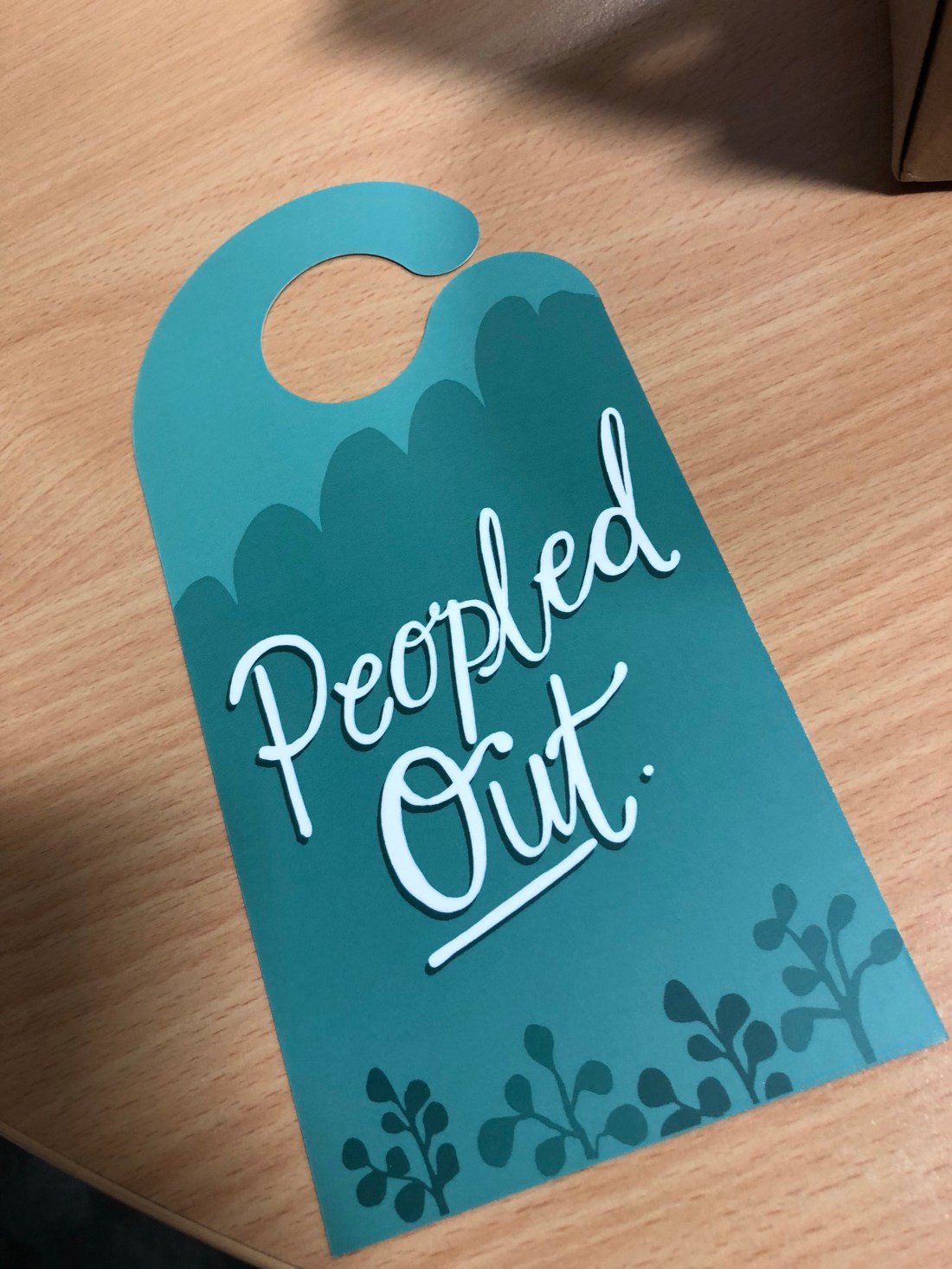
  • Peopled Out Door Hanger. Pretty self-explanatory but a cute little door hanger to brighten up a room.

  • 365 Days Self Care Journal – This is Blurt’s second book. A journal which you can use in any way you wish with the idea that every day you jot down how you feel to help you work through any low periods. I’ve not started using it yet but plan to get into the habit in spending a few minutes each day jotting to see what impact it has.

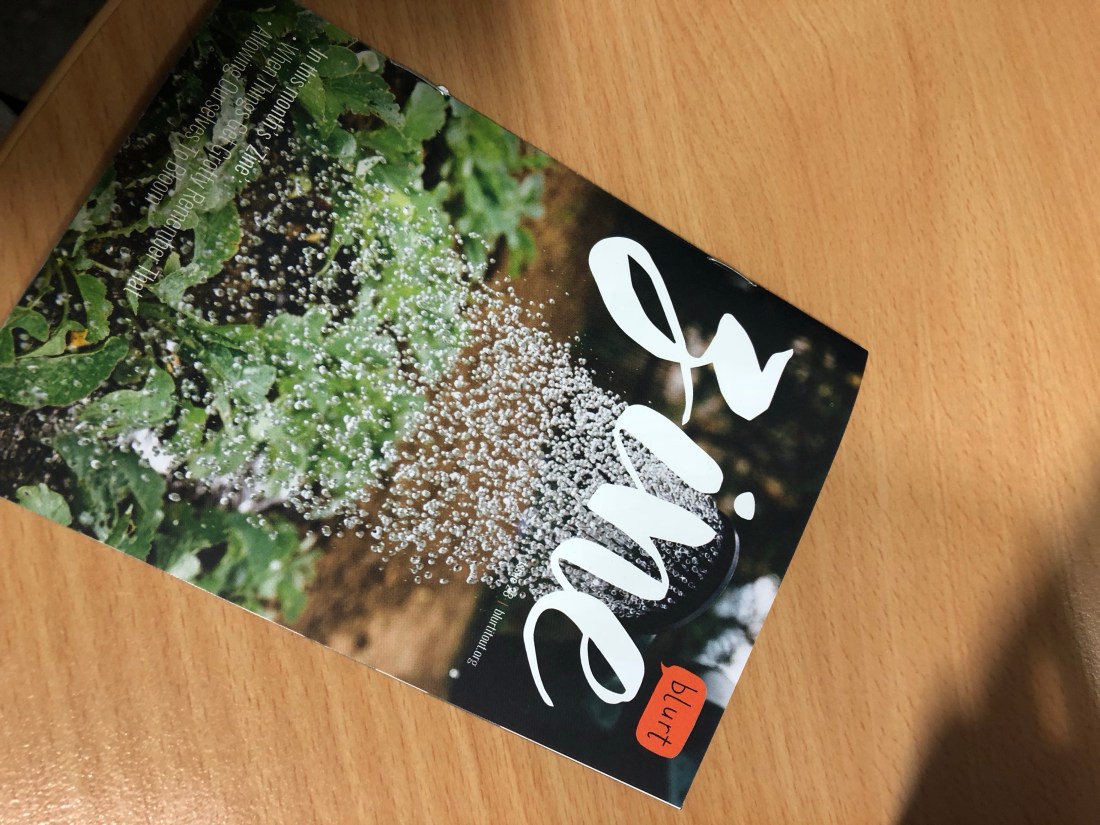
  • Magazine and Postcards – little extras to read / use as you wish.

If you’re looking for a little pick me up, or even a nice gift for someone else who could do with a bit of a mental pamper these make a great buy – whether it be a subscription or one-off purchase.

The Art of Doing Nothing

On Saturday, I took a friend for a spa afternoon (hi Jane!).  We swam (well she swam I paddled), had a steam, chilled in the Jacuzzi and then had a Mud Chamber experience.

This involved using exfoliating salts and then coating ourselves in mud before chilling in a little chamber for 45 minutes as the temperature and steam increased.  There were no clocks – the whole thing was automatically timed for the showers to come on after 45 minutes of heat (they didn’t as it happens but that’s not the point of the story).

So, we were pretty chilled out after a lie in, leisurely breakfast and an hour by the pool and as we hadn’t seen each other since Christmas we had plenty to catch up on as we sat in the chamber.

But, you know what, 45 minutes (which eventually due to a malfunction turned into 75 minutes) is a really long time to just sit.  As time went on we both found ourselves remarking how strange it felt to be so cut off – we were chatting away but quite simply neither of us were used to just sitting still and doing nothing for an hour.

Of course both of us can sit on the sofa for an hour doing not very much of anything productive with the best of them.

But, we are almost always on our phones mindlessly scrolling, chatting online or maybe making a to do list or watching TV as we sit.

Put simply neither of us every really just sit, with just our thoughts, or even without our thoughts.  We constantly feel the need to fill time or occupy our mind.

I think it’ got a lot to do with Social Media- having a constant stream of information available.  Even if I’m doing something else I’m often multi tasking.  I fill my journeys, runs, time cleaning the flat with listening to podcasts, talks I’ve saved and want to hear, music that I need to learn choreography to for classes.

Whilst that might make me productive it also makes me very bad at switching off and stopping my brain from overloading – no wonder I frequently stress myself out.

Taking some time out when possible to sit and relax- be that via meditating or going for a walk and focusing on your surroundings or going for a massage and just focusing on the feeling etc. is actually a skill which I need to learn to be better at, because being able to take time out will ultimately be better for both my metal and physical health.

My Personal 10 Commandments for a Healthy Life

  1. Aim to hit a 20% calorie deficit across the week. Find a system for doing this and stick to it- don’t be swayed by new fads. My system is to eat to Paleo principles (not strict Paleo) 4 days a week and then allow myself three days where I can enjoy treats (read cake).
  2. Start your calorie week on a Friday. You are more likely to have a calorie surpluss at the weekend – this allows you Monday to Thursday to pull back and still hit that 20% weekly calorie deficit if that does happen and stops you feeeling like you are being overly restricted.
  3. Eat at least 2g protein per kg body weight every day (for me 160g). This will make you feel full, help your body recover from training and means Carbs and Fat will look after themselves.
  4. Drink 3.5 litres water a day (this is based on based on 30ml water per kg of body weight plus 500 ml for every hour of exercise – I just average out based on my normal training week).
  5. Drink a max of 3 coffees per day.
  6. Take a multi vitamin and fish oil supplement every day.
  7. Have a little bit of dark chocolate each day when on your period if you suffer with cramps (magnesium can help relax muscles reducing cramps, and sugar can boost your serotonin levels which can drop – hence feeling like you want to cry). I believe Kale can also help reduce cramping but for some reason doesn’t hold the same appeal as chocolate!
  8. Train in a way that suits your life and your week. I don’t lift as heavy as many and my sessions are shorter than most people I know – but they fit into my working life allowing me to stay consistent enough to see results. If it’s going to be tough one week to fit in your training – adjust your plans to feel successful.
  9. Stretch every day.
  10. Get up 30 minutes early and develop a morning routine that helps set you up for the day. I like to get some day light, drink a large glass of water and read a chapter of a book (as I don’t get much ‘me’ time during the rest of he day).

Credit – Ricky Long, who bullied me into most of these things – but they work!

Facebook

https://www.facebook.com/groups/243767835762478/

Instagram @rickylong42

Football Post (Kind of)

The World Cup deosn’t really interest me to be honest.

I’m in a prediction league for it at work and I’m currently bottom.

I found this article really interesting though (I also like the Guardian Opinion page by the way- I don’t know if that say’s anything about me but I prefer reading people’s opinions on the news than the news itself).

https://www.theguardian.com/commentisfree/2018/jul/06/failure-decency-southgate-england-manager-mateus-uribe

Dealing with our own failures – we see lots about that.

Re-framing our own failures when we subsequently have success is quite easy and cathartic.

I never really thought about how I react to other people’s failures previously.

Gareth Southgate’s reaction to the player who missed a key penalty was obviously framed by his own past experience but it shows that we can have a powerful and positive impact on others in the way we handle their failure.

Not rubbing it in their face or gloating and instead trying to show some empathy.

I bet that player still felt bad but perhaps found a little comfort in the show of support, and I bet Southgate felt better the next day knowing he had shown kindness on top of his team winning the penalty shoot out, a couple of seconds which cost him literally nothing but may have meant something to the other person.

Relationships- Facebook and Reality

I’ve had a few conversations recently that made me think about our relationship with social media and how social media affects our relationships with others.

How many friends do you have on Facebook you haven’t seen in more than 12 months? more than a month? How many have you never met?

Social media has warped our perception of what it means to be friends.

I’m old. To me my friends are the people I speak to daily, weekly, sporadically but often as well as those who I may see less often but have deep seated connections to (old housemates, best friends from school etc.).

Then I have friends I know via my jobs but don’t really know well enough to have a one on one conversation with. We all have friends who fall into both categories sometimes people can cross from one to the other over time, others stay in one camp all the time.

This is how I see the distinction. The number of people on a friend list, number of followers and number of likes and gushing comments on posts do not define my worth. The people I speak to all the time – who know what’s happening in my life not just what I post on Facebook- their opinions matter to me.

I feel like for some, perhaps more so those bought up in an age of social media, this is less the case. The distinction between quality interactions and connections versus instagram fame are less defined.

This has more to do with fitness than you would first think it does.

Fitness is big social media business these days. The platform allows you to make yourself well known and carve out a reputation by depicting yourself in a certain light.

This is a brilliant tool and I’m not knocking it at all- I know many people who have used the medium well and carved out reputations that are genuine and true to who they are.

These people tend to understand the difference between real life relationships and Facebook relationships. This ability to understand what a real connection is allows their personality to show on social media and whilst they may come across less polished than others at times they tend to be pretty happy with how they are perceived, largely I think because they are comfortable within themselves – they have their people, their support – the reaction to something they post therefore becomes ess important to them.

I also know of fitness professionals who post to boost their business in the way they think will win them clients and likes, but which is maybe more detached from who they are in real life. To be fair I’ve seen this method build profiles and large followings of strangers – make people recognisable to people they’ve never met – so for some people this works really well. Again, those people still tend to nurture a group of positive relationships away from social media.

But I worry there is a risk amidst all this Social Media hype of people getting swept away – because having lots of friends online doesn’t help you when you need a shoulder to cry on or you are having a crap day. If we focus all our energy on growing followings we risk loosing opportunities to build personal connections with people we actually see or speak to daily. That’s not saying I think we should all quit social media – but perspective and balance are lovely things!

To be honest when I’m enjoying someone’s company I normally forget to log onto Facebook or Insta. The people I speak with most often – when I meet up with them I’m less likely to tag that on Social because I don’t need to tell the world I’m there to make it worthwhile for me – although obviously if there isn’t a selfie it didn’t happen still, that’s jus the law these days – which is unfortunate because if it isn’t food I’m unlikely to photograph it!

This has been a bit deep and rambling (sorry) but my takeout from my brain dump is pretty simple.

I think we should embrace social media- I have great banter online, love sharing photos and Insta stories along with my random opinions and gnome updates. Sometimes it can be used to great effect to get your message and opinions out there. You can meet some lovely, like- minded people. We just need to remember to cultivate real life relationships at the same time. Because, if nobody online likes your photo but you best friend messages you and says it looks great which matters more?