Social Media, Mental Health and Living Your Best Life

Social Media isn’t reality, did you know that?

It feels like recently there has been a lot of acknowledgement that people tend to post a ‘best of’ of their lives of Instagram and Facebook- nights out, impressive meals, pretty hotels etc. and that can sometimes make us feel bad about our own lives; that we are perhaps not exciting enough, successful enough, interesting enough.

More people now, possibly in response to this, post more mundane / normal things on Social Media (if you want to know what I’ve eaten at any given time check my Instagram stories and there will be a not very attractive meal that may or may not have some nutritional value to it but to be honest is likely to involve cake, because I’m a fitness instructor and like to fuel my body with foods that provide it with value but I also really really like cake).  That’s good right- fewer perfect lives and more normality will make people feel less disheartened?

But actually does it?  Is my account any different from someone living their best life?  I would say my social media is reasonably warts and all, I post the days I eat the food I planned but I equally post the unplanned cake and chocolate.  I post pictures on nights or days out but my Twitter account, which is basically a tool for complaining to Northern Rail about their ever worsening service, demonstrates that my daily commute is far from glamorous and my days are simply long most of the time.  Yet even I unwittingly self ‘airbrush’ my own life.  In what ways?  Well, obviously not everything I do or eat gets posted, so I might not specifically hold back certain things and post others, but what I do post can’t totally reflect my day or who I’ve seen / spoken to or how I feel (I’m a historian by degree and we will tell you that all historical accounts are subjective so this isn’t something new with the advent of Facebook).  If I’m feeling a bit anxious or down for whatever reason I’m a lot less likely to post anything, so it’s not that I always feel OK and sarcastic as my accounts may suggest, just that my response to not feeling on top form is to withdraw a little rather than tell the world.  So even if you follow people who are pretty open and honest you still don’t see everything.

This make me sound like I’m not keen on Social Media but that isn’t the case at all.  I use many forms frequently and find the positives outweigh the negatives for me personally most days.  But nothing is cut and dry.

Social Media allows fitness professionals to talk to people openly beyond the clients in their gym and there are many excellent fitness professionals, both well known on Social Media and those only known more locally, who provide great insights to people for free.  This can potentially then encourage someone to go and seek out more advice and make huge strides in their fitness journey.  Equally, advice and posts could be misunderstood or someone could take advice that was meant for a different demographic to them and not get the results they want.  So positives yes, but we also need to be careful about what we say and promote.

Social Media can connect people who would otherwise not have met and provide opportunities to get advice and mentorship from such people and allows businesses to connect with clients on a more human level.  Equally it can cause debates and misunderstandings as people don’t know each other to understand why they have those opinions or view points because their situations are different. It often appears easier to argue with someone you never have to see and that can create an environment where people feel more able to say things they wouldn’t in person.

Social Media has opened up conversations around mental health.  Now I’m still a little dubious about this.  I like how people feel more comfortable talking about it.  I am less keen on how sometimes when people do post things about their own mental health they can be met with well meaning but not necessarily helpful reactions.  It’s tough to know whats really going on behind even the most honest of status.  I think being aware of the emotions of the people we talk to daily is a better way to show support to others.  Watching out for the signs that suggest that someone is maybe a bit stressed or anxious is possibly going to be more helpful on a realistic level.  However well meaning, we aren’t doctors or health care professionals and whilst listening to people express their feelings on Social Media can help both break down barriers and make the person in question feel heard / better understood, it also encourages us to offer advice – which might end up being helpful but equally could not be. Our feedback could end up being harmful to the person posting. Nonetheless the reduction in stigma surrounding mental health issues is a positive thing.

Social Media can help keep you motivated.  I know of many social media accounts which responsibly promote building a healthy mindset and teach hacks and systems which allow you to approach life’s challenges and which don’t try and fix whether you are ‘happy’ or not (if you are interested I can direct you to some people). Equally however there are well meaning posts that show a happy picture and a quote about only wanting to deal with positive vibes.  Those posts are probably normally quite personal to that individual and reflect what they are feeling at that moment and are not a dig at others.  Yet I sometimes feel they could have a negative effect on people who maybe at that point do not feel positive.  Because let’s acknowledge that depression means you don’t always feel positive but that this doesn’t mean you are a ‘negative’ person.  In reality we all have days when we don’t feel 100% positive and that doesn’t make us negative people.  Sometimes we don’t need to be told to be more positive we just need to be able to vent or have a rant and clear out our mind / work though our thoughts. When we post on social media we don’t always think how our words could be interpreted by others, nor can we be held responsible for how someone else takes our words of course – this is just another one of the double edged swords of the medium.

Like real life, Social Media isn’t all great and isn’t all bad – it’s messy and can be viewed differently day by day.  So in reality how we respond to anything whether it be something showing someone’s ‘best life’ or someone posting something real and honest is going to depend on how we feel ourselves that day and on any given day the same post could be viewed as inspirational and motivational or equally something which makes you feel a bit shit. That’s our internal reflection of what we see more than what is actually posted.

So yes, sometimes accounts may only show the best bits, but I think all accounts however honest and real can affect people in different ways regardless iof intention.

How do we deal with that, because for a lot of us, Social Media is a part of life and just dropping out isn’t necessarily an option we want?

Well in part I think just acknowledging that Social Media is always a life through a filter or a censored opinion – even when we think it’s totally real- it’s just not possible to be 100% real via a computer / phone or photo, even when you try. I go back to history as my example, as a historian all sources are tainted by subjectiveness – be they propaganda materials or diaries and personal testimony.  

Some people are more honest and open in how they use Social Media though so you could look to pick people to follow who match with your values and make you feel better / empowered rather than crap – people who will talk to you, respond to questions with honest answers.  If there are people on your feed on any site who make you feel rubbish you can remove them or mute them (because you may not be able to remove your mums neighbour three doors down without causing awkwardness in the supermarket).

If we choose to use Social Media for positive it can be a great addition to our life, it just needs to be something that we are aware of how it affects us and react accordingly to that. That means breaks when needed and setting boundaries that work for us (because everyone’s limit will be different).

Beyond that, I believe working on our own emotions and head space is a really important thing. How we train, eat, feel can be impacted by Social Media only so much when we are in the best place we can be at the time. How often does a post trigger you into a mood on a bad day but on a good day you’d find the same thing funny? That is why when I don’t feel so great I spend less time talking on Social Media. It is also why I haven’t just invested time and money into my physical well being but I also work with a trainer on my mindset as well – our wellness is a much more rounded package than just our bodies.

For me systems and creating habits in the real world, which help me respond differently to triggers than I used to is the key to then feeling healthy towards what I see on Social Media (and beyond).

This blog started as one thing and then sort of meandered elsewhere so apologies for the random nature of what has essentially been a mind dump on how I feel about Social Media and mental health, but as I said I have systems in place that help me process my own thoughts and sometimes this blog ends up being one of them … so here it is a very public social media style way of considering social media.

Also – sometimes we just do nice things and want to post them for people to see. So as reflective as I have been sometimes we really just had a nice holiday and want to share!

Would love to hear your thoughts – whether you agree of disagree!

Day Trip to Chester

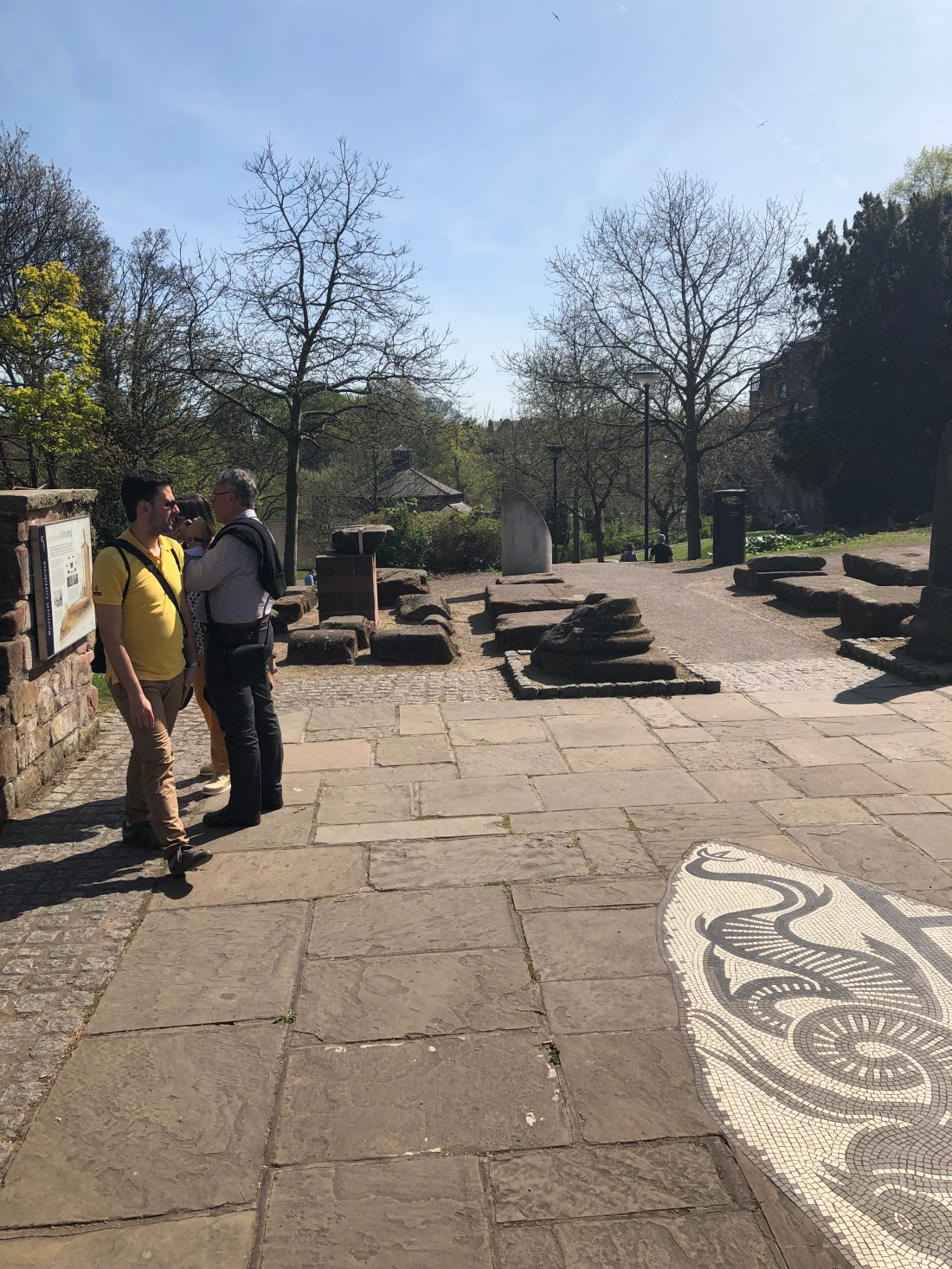
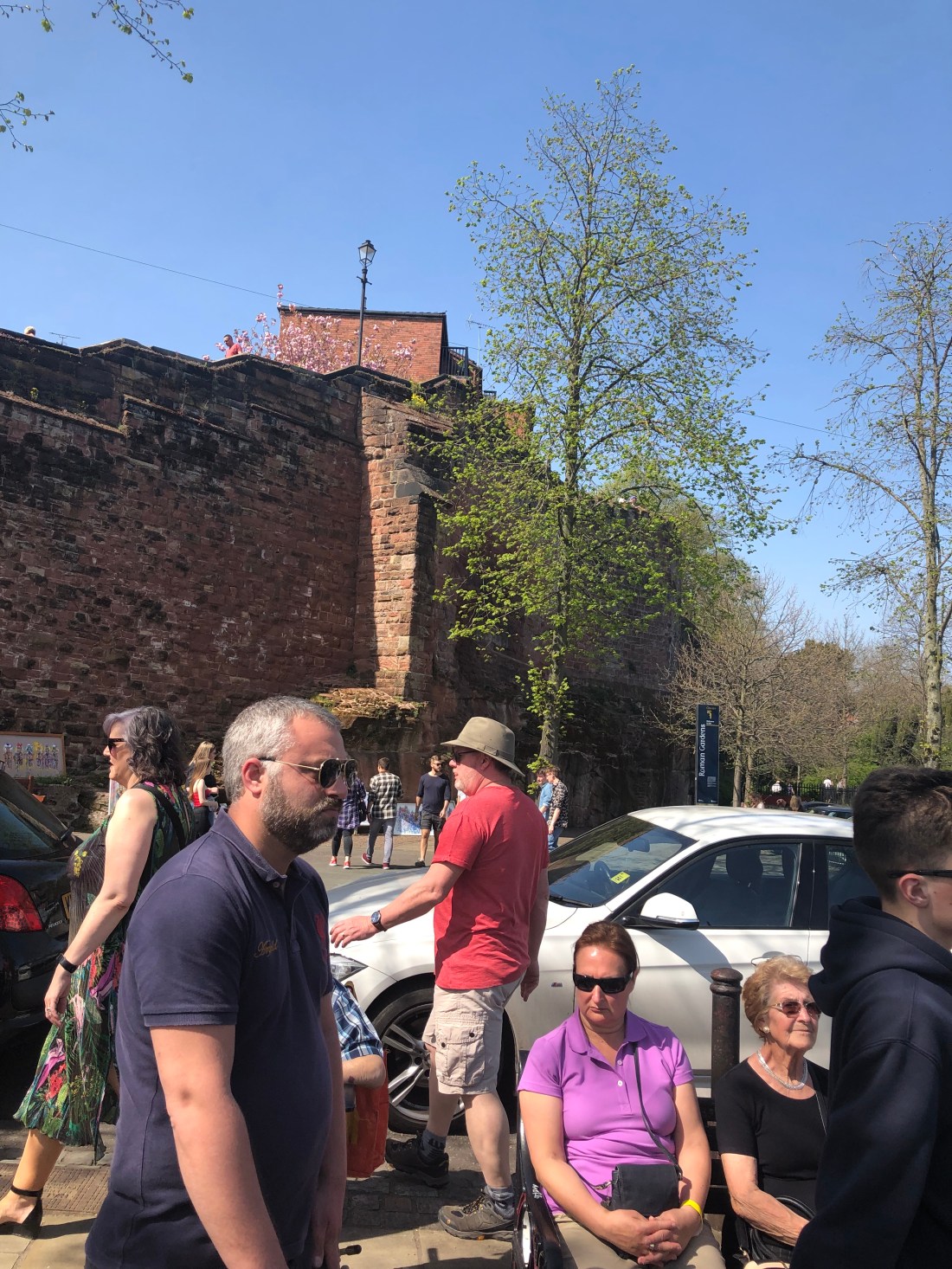
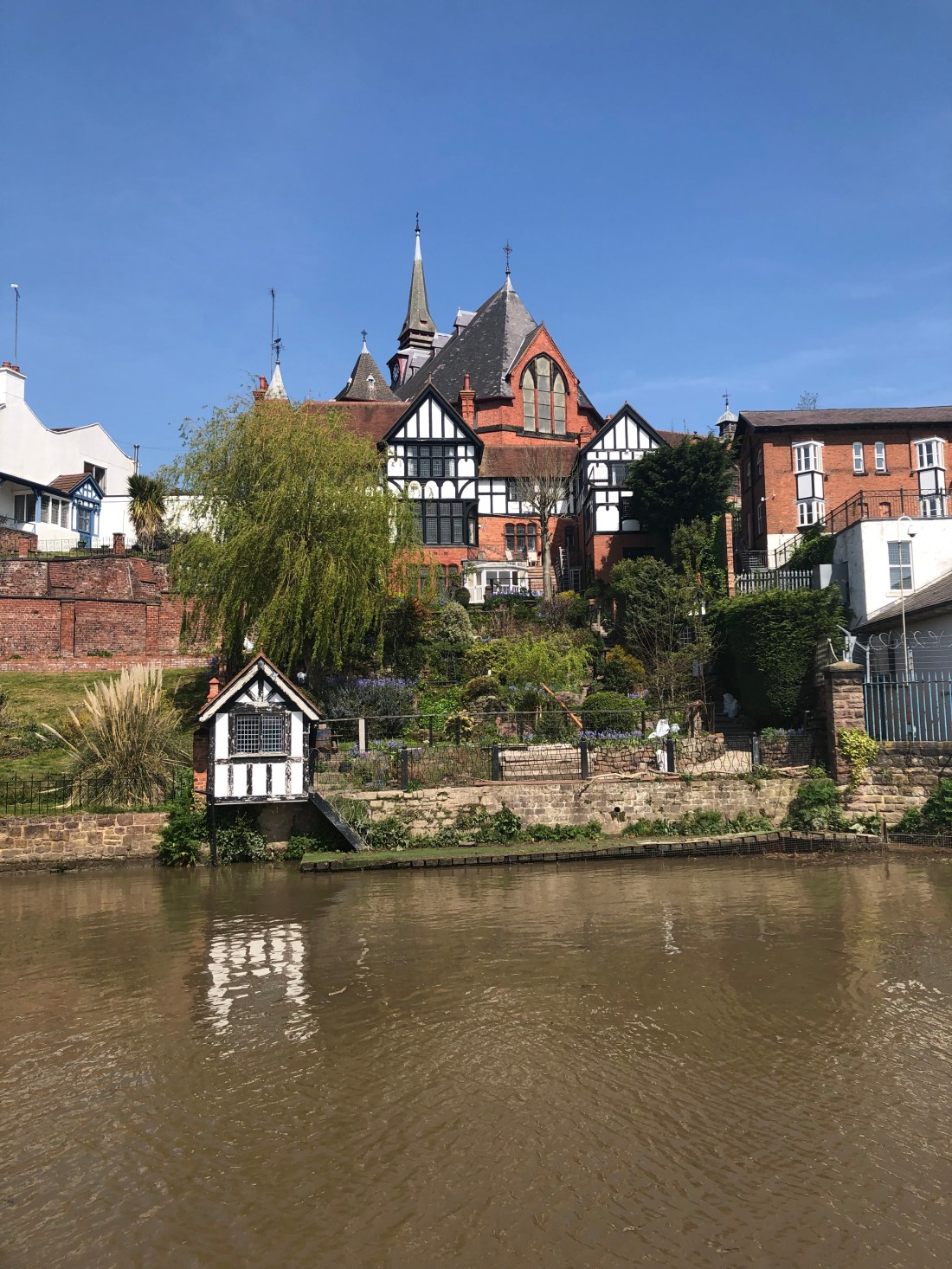
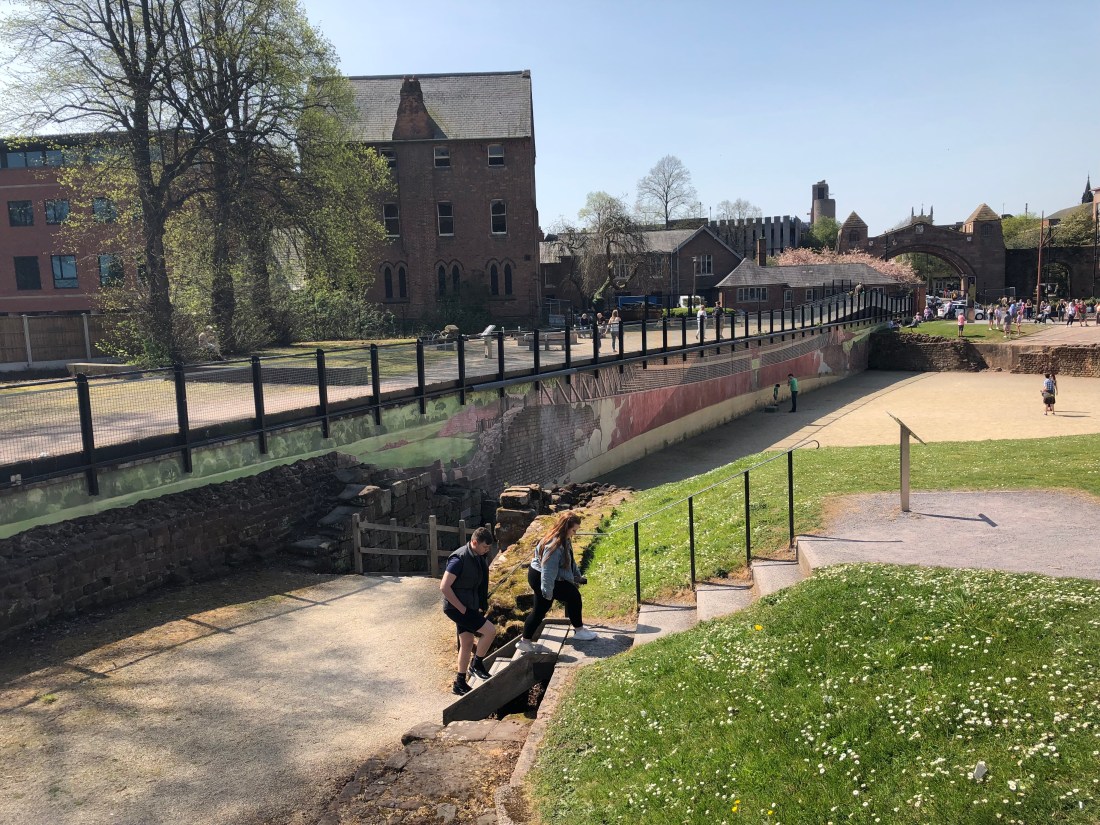
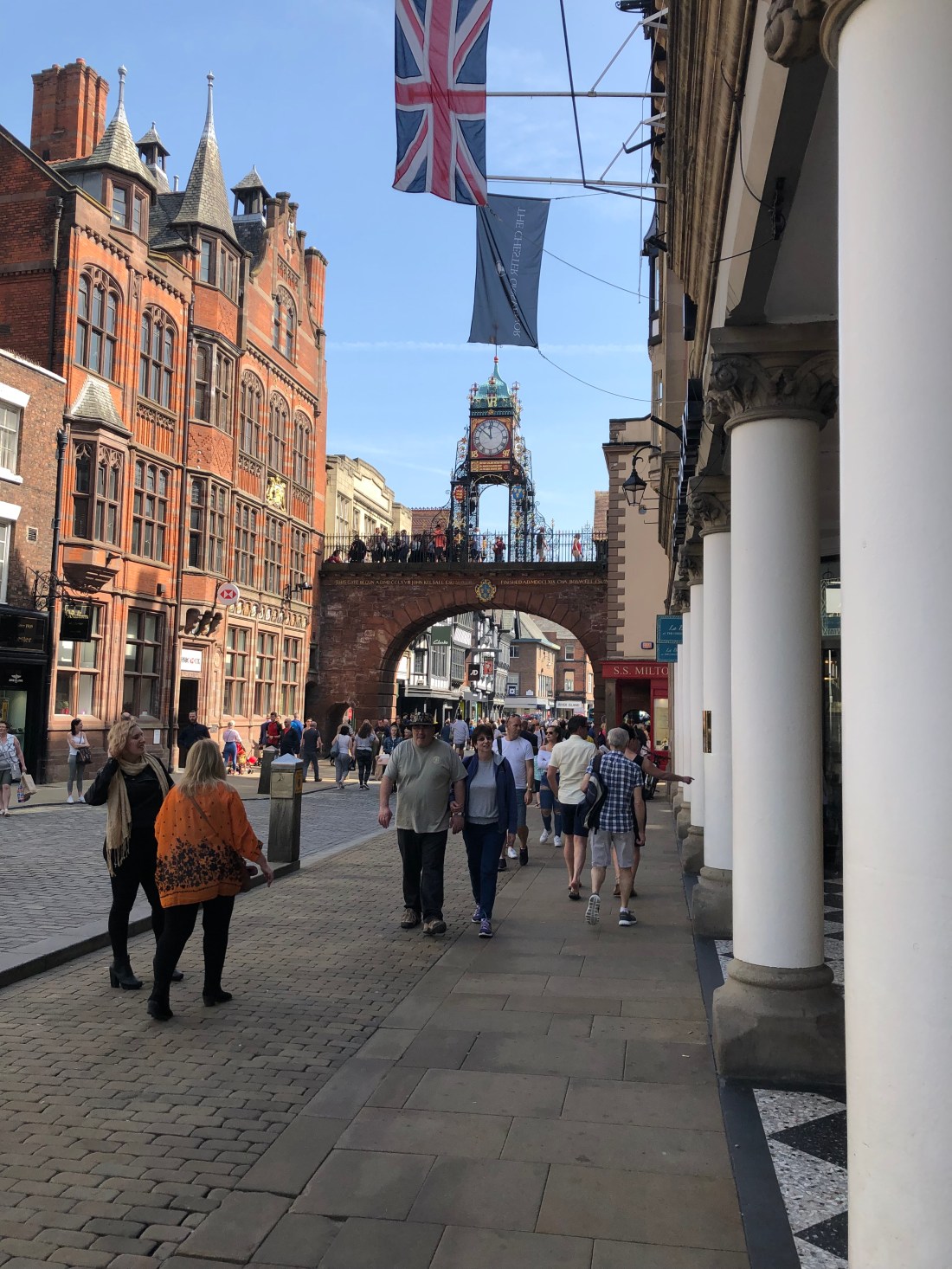
Today I went to Chester, it was sunny and I had a very rare Saturday off so I took the train somewhere I’d never been before, by myself and just explored. I didn’t have a plan of what to do when I got there so I left the station, followed signs from one sight to the next and even took a boat trip.

I returned home feeling refreshed, partly because of a day in the sun and fresh air and partly because a day without planning or having to be at set places at set times was good for my stress levels!

I’ve grown fond of sometimes exploring places alone. Sometimes a little nerve wracking certainly, but it does allow you to go at your own pace and really focus on what you’re looking at and absorbing your surroundings as there’s no conversation to distract you. Plus side is you can revisit places with people and see them again with a different set of eyes.

Not really a fitness post today, apart from the fact that this reminded me that occasionally it’s good to take a break from your regular routine – whether that’s doing something different in the gym to mix things up or actually taking a couple of days off to rest completely. This can revitalise your mindset towards your training.

Now here’s lots of spam of my trip today – because I went full on tourist and took pictures of everything!

After the Happy Ending

People thinking reaching their fitness goal is hard, and don’t get me wrong it is.  If you want to drop 2 or more dress sizes or lose several stone starting from nothing and doing that can be very hard indeed.  It involves making changes to your lifestyle, creating new habits and keeping doing those things week and week.

Getting to your goal feels brilliant. People will notice the change, you will feel brilliant.  But what happens after?

The challenge is that the motivation to keep to healthy habits can be strong when you keep seeing the scales go down or having to buy smaller trousers, but at some point you reach where you want to be and those visible motivators come to a halt.  Of course you still need to do all those things to maintain the goals you’ve reached but now you don’t have the initial goal to motivate you.

In my mind – the initial transformation is tough. What comes after can be tougher (it’s a bit like what happens after the Happy Ever After moment in films).  Now you don’t have the oh wow moments to give you that push.

Mentally, this can be challenging.  If you’ve ever lost a lot of weight you may have had the same (I admit not overly healthy) struggle to not just keep on going.  I got to my aim and just kept on pushing to lose more – it can almost become an addictive feeling.  Of course eventually I realised it was in no way sustainable to keep losing or stay the size I had reached and still eat cake (or well eat really) plus I had discovered weights.  But several years on i do sometimes feel in a bit of a limbo.  I don’t need to lose weight but I’m not as small as I once was and keeping yourself on track and motivated when you’re in that position isn’t always easy, in fact it takes a massive change in mindset and rethinking of your goals.

If you’ve reached your initial goal and now feel at a bit of a loose end, you’re not alone and it’s not unusual.  New goals can be formed but you also need to give yourself a break for not being sure how you feel once you have reached your goal because reaching a goal is really rarely the end of a story.

Fitness Professionals – A Reaction to the Last 24 Hours in my World

If you aren’t a Les Mills instructor you will not be aware of the changes made to the way payments are taken for the materials and education that allow you to teach Les Mills programmes.  To bring you up to speed quickly, in a nutshell people aren’t happy about having the autonomy to pay for what they want when they want taken away from them.  People who teach multiple programmes are not happy that they are now paying more than they used to.  The details of this change affect me but are not really what I want to write about today.

When these sort issues arise in general people take to Facebook to debate them.  I say debate but quite often there is little real debate.  I will normally have an opinion, and I’m happy to express it.  It may be different to the opinion of others, even those I’m close to – I will still express it.  However I also am happy to consider different views, and sometimes my initial view will change based on what other people have expressed as I consider things from angles that I hadn’t originally considered (this is debate).  Sometimes it feels like what actually happens is everyone expresses their view and simply insists anyone who disagrees with them is wrong.  When both the customer and provider do this it creates a situation that becomes harder and harder to resolve.  I sometimes think that people think that listening and acknowledging the validity in an opposing view weakens their own position so they instead aggressively defend their standpoint generating a greater negative response from people (whereas I have also seen some brilliant examples of the opposite over the last 24 hours where listening to people’s concerns has generated much more positive reactions from people who are upset – none of this is black and white).  When we are passionate about something and think it is a good thing we can sometimes be blindsided to the negatives that others may see.  I also believe, by the way, that there is a view that a debate such as the ones over the last 24 hours is always a negative thing unless everyone is pro the change being discussed.  Actually if we viewed not agreeing with each other in a less negative way debates can be extremely healthy, as can being allowed to express your standpoint.  Within my close circle I’ll frequently discuss opposing opinions on topics and we manage to do so without falling out and labeling each other as  negative.

Ultimately this has got me thinking about how we work together as fitness professionals.  It’s a weird situation.  Other fitness professionals are our colleagues in some senses but not in other senses.  I have an office job by day and the people I work with are colleagues, it’s very clear cut – we all work for the same company and have to follow the same rules etc.  If something changes it tends to affect most people in a similar way.  Fitness professionals are self employed / contractors / their own businesses (how we define ourselves if a personal choice).  We may work at the same gyms but we all negotiate our own terms, potentially compete for classes, have different degrees of reliance on different fitness roles (main source of income could be PT, classes, other jobs entirely) so how we view changes will be very different for everyone.  It makes an already quite competitive market feel more competitive.

It seems an odd idea expecting people who in some ways compete to also work together at the same time.  For me it’s become the most positive way to progress your fitness career however.

I work in various ways with a number of different fitness professionals, some in my local eco system (where there is more argument you are competing for the same customers), others in different parts of the country all together.  I also talk regularly with instructors from all over the UK, who I sometimes have different opinions to but am able to discuss them without falling out!  This has made the fitness world so much nicer for me.  Some things are still frustrating of course, but there is a support network, places where you can ask questions or vent about annoyances without being attacked by people who do not agree.  I’ve found new work opportunities through networking and looking at how I can work with people rather than compete against them.  I’ve learnt things because I’ve opened myself up to different people and they’ve helped me with things they are good at rather than guarding their knowledge and I’ve tried to do the same.

A few years ago there was a movement for a fitness union to fight stagnant pay, which struggled because essentially, as was pointed out at the time, if you don’t teach for the current rate there will always be someone else who will – basically the same argument that as we are all self employed we cannot work together at the same time.  This isn’t true.  Of course any partnerships need to be beneficial to both parties (and I mean that as individuals and our partnerships with providers such as Les Mill and gyms) and we need to be aware of what we offer against what we take (again both sides too- including gyms and providers).  In a busy market however, with every changing trends, I think we need to reconsider how we work with other fitness professionals, possibly gyms and providers also need to consider how they work with non staff member fitness professionals also.

For me personally, I’m happy where I am currently at.  My professional connections within the fitness sector are growing stronger and are all positive relationships where I don’t feel I am competing and I feel I can make a difference.  The changes in fees, well it’s not ideal as it makes keeping three programmes I don’t physically have classes in financially no longer viable – but there you go, a potentially difficult head over heart choice made for me so good in a way!  Perhaps Les Mills will listen to the feedback and adapt the new system to assist those with multiple programmes, if they don’t then instructors have the same choice as me and Les Mills can equally make the choice on how to work with those instructors.  What I do know is knee jerk reactions are normal and to be expected and debates are hard not to be drawn into but a) debates don’t need to be seen as a bad thing and b) we will get more done if we try and hep each other.


How Realistic Are Your Expectations?

Last Saturday I got my eyelashes tinted for the first time.

I always get my eyebrows tinted at the same time as getting them threaded but have always chickened out of getting my eyelashes done because I hate anyone going near my eyes.

The thought of no more mascara was appealing though! So I bit the bullet.

Result? Highly disappointing!  Half my bottom lashes are still blonde and I still need to wear mascara.

I don’t think it was the eyelash technicians fault.  I have very very very blonde eyelashes and in hindsight it was unrealistic to expect them to go super black and noticeable (although I also have blonde eyebrows and these always look very noticeable after tinting – serial killer like in fact – so you can see why I thought they would!).

The issue was my expectations.  I expected results that were unrealistic for my natural colouring.  I considered trying again next month and seeing if it perhaps came out better, then I stopped myself.  Why would I waste more money on something that isn’t likely to give me the results I desire – not because the product is bad because it just isn’t suited to me.

How often do you do this with your diet or training?  You see a solution advertised somewhere and think that could give me all these amazing results.  Then it doesn’t work, you’ve lost money and still aren’t where you want to be.

Now sometimes this could be because you invested in a product that is basically a fad (diet pills, shakes etc.).

But sometimes it’s because you signed up for something that could work for you but your ambitions are just not realistic.  You can get leaner, gain muscle but some things about your body will be difficult or impossible to change.  Therefore you might actually be getting results but you don’t see them or appreciate them because they aren’t the ones you envisaged as your ideal body.

My eyelash are too fair to be tinted the way I would like them to be.  I could continue to get them tinted in different places month by month in the hope I one day find the perfect place.  Or I can accept I need to use mascara if I want visible eyelashes.

You could chase after the ideal figure that you have in your head, trying diet and training plan after diet and training plan. Or you could find some eating and training habits that work for you and make you happy and enjoy the results you get from this.

2019 So Far

Well that went quick.

Two months into 2019 already.

63 days since you set your 2019 resolutions (or better still goals). 302 days until you’ll probably set some more.

How are you getting on? Have you stuck to working towards them, reached some of them already even. Or do they seem further away than ever?

I’ve made progress. Not as quickly as I’d have liked… a failed exam, some frustrating news and a torn tendon in my knee have all set me back in one way or another in terms of where I wanted to be at the end of February, either fitness nor personal goal wise.

Yet I have made progress, I have made positive steps towards my goals, I’m nearer than I was to them two months ago and I’ve taken those set backs, gone back to the drawing board, adjusted my timescales a bit so they won’t be reasons I look back and feel like I failed.

If you don’t feel you started 2019 as you’d have liked, well we’ve only done 1/6 of the year. Plenty of time to turn things around. If it’s started well that’s 302 more opportunities to move closer to your aims. Whichever camp you fall into regularly reviewing your progress will increase your chances of ending 2019 happy with your progress.

I’m writing this on a flight to Edinburgh during some pretty windy weather so it’s a bit of a bumpy ride (excuse any typos it’s currently a bit like a ride at Alton Towers). Tomorrow I’ll spend the day reviewing my progress and working out my next steps with a group of fellow fitness professionals, as we do once a month to keep up focussed and striving for improvement.

I wrote a lot of blogs in December and January about making small changes to get closer to your fitness (or other) goal. Wherever your currently at pick one small thing to do in March and just do it.

P.s. We took off late because of a problem with paperwork at Manchester Airport- the captain just announced he took a shortcut and we made up the time and will still land early. If that’s not a metaphor for what I’ve just talked about I don’t know what is!

Good Foods V. Bad Foods

How often do you think about food in terms of ‘good’ and ‘bad’?

You have a 2,000 calories to eat in a day.

You eat 2,000 calories of pizza and chocolate.

You eat 2,000 calories of oats, chicken, salad, fish, rice, vegetables, fruit and nuts.

Either way you’ve eaten 2,000 calories.

So really there are no good or bad foods.

There are foods.

Now that isn’t to say you’d feel the same after eating nothing but pizza and chocolate than if you’d eaten the same number of calories from a variety of largely unprocessed foods.

Generally your body will probably react more positively to the unprocessed foods.

But sometimes you’ll feel better for picking the pizza!

Overtime a diet of nothing but pizza would probably start to make you feel pretty bloated and lethargic.

There was a man who lost weight by eating nothing but McDonalds for 30 days.  He was still in a calorie deficit.  Another experiment involving McDonalds, Supersize Me (which had a a different focus and was designed to shine a spotlight on the American Fast Food Industry) highlighted how aside from weight solely eating this type of food affected the participants cholesterol, sex drive, skin, mood and so on.

The point is you aren’t likely to eat nothing but McDonalds.

Nor are you likely to never eat it EVER. AGAIN.

A happy diet isn’t that polarised.

Some days you’ll eat chicken and brocoli from a Tupperware box.  Sometimes you’ll eat fried chicken from a bucket.

There’s that saying you’ll see on memes about this being called balance.

Also realistically.

Most people struggle because they haven’t got to grips with energy in v. energy out.

They eat too much or not enough.

It isn’t that they aren’t eating the right sort of foods.

If you have this down 100% then looking at what you eat and the specific nutrients in those foods could enhance how you feel.  If you want to compete in a show or top-level sport you perhaps need to do this.

For the rest of us (and I include me in that) just hitting those calorie goals (and protein goals if you want to go one further) will be enough to make us feel pretty good and bring results.

So actually from this logic there are no good or bad foods.

Things I’ve Learnt – Re-Blog

I wrote this six months ago- all still remarkably true and relevant.

  1. You aren’t perfect.

I think I’m like most people in that when I start something new I want to be 100% perfect or I feel like I’ve failed and need to start again.  But it’s impossible to never have slip ups on a long term plan.  Getting out of the cycle of deciding a whole week was a write off become of a bad day or bad meal was one of the biggest factors to starting to see results.

  1. Day 30 (or 60 or 100 or 200) is harder than day 1.

People always talk about Day 1- and in some ways Day 1 is tough, it’s the starting something new, the first step in making changes. But by the same token, Day 1 is exciting – it’s the start of something new, when you feel all positive and hopeful.  Sticking to something once the novelty wear off or once results start to slow is the real challenge.

  1. Consistency and steady progress is boring.

Everyone loves a Facebook status or Instagram post where they can show their before and after pictures demonstrating dramatic results.  Realistically though long lasting changes take time and progress isn’t always immediately apparent.

  1. The loudest people in the gym often don’t have a clue.

When I started venturing into the free weight section alone I used to feel so inferior.  All these people claiming space and equipment and confidently broadcasting their strengths and opinions on how things should be done.  I tend to assume that if someone is loud and forward with their opinion they must know their shit- and yeah, some do.  Get comfortable in the environment and take time to look and you will see however that many do not!  Go in, do your own thing with confidence and don’t worry about what anyone else is doing in terms of training or weights.

  1. You need to eat more.

I used to try and keep my calorie intake low – the bigger the calorie deficit the better.  Really, this makes you tired, makes training harder and will eventually stop you getting results.  Stick to a sensible calorie deficit and results will come and will be easier to maintain.

  1. There is no such thing as an ideal diet.

And by ideal I mean those diets you see advertised in magazines- ‘Eat all the cake and still lose weight’ ‘Drink all the Gin and still lose weight’.  We would all like that magic diet which would allow us to eat as much of our favourite foods as often as we like and still loose 10lbs per week.  Essentially, though, if you look at them, all these diets still involve some form of restriction – eat low calorie meals through the day and allow yourself cake everyday in moderation (i.e. a small slice).  You therefore have to accept that you can eat what you want within reason but if you also want to stay within a calorie allowance and hit your Macros you will need to balance that out with sensible options for other meals. I have 4 pretty strict days to allow me the freedom to have 3 pretty relaxed days and stay within my goals.  That means for 4 days a week I sometimes have to say no to things I want in return for that relaxed weekend.

  1. Some days will be shit.

Not all training sessions will be fun, not all will bring PBs, sometimes you will feel like you have made no progress.  If every session was a great session they would just be your normal sessions.  Accept that even a tough session will bring benefits to you and don’t sweat it.

  1. Rest is important

When you start it feels like you will get more results if you keep on going and do as much as you can.  Rest allows your body to recover and prevents over training though and in the long term will improve your results.

  1. You can’t do everything.

It’s tempting to try and master as many things as possible.  Realistically though unless you are naturally talented at something the chances are you will need to devote time to things to master them.  Therefore trying to win a Strongman competition whilst also training for a marathon is probably not going to work.  Pick your thing and focus on that.  I wanted to run a second marathon but with teaching classes around my full time job I had to accept that finding time to fit the training in would not be possible and as I didn’t want to take a break from teaching I put that aim on the back burner.

  1. Weight is a bad indicator of progress.

Muscle weighs more than fat, your body is full of water blah blah blah.  At first you may be able to monitor your weight- eventually you will need to go off clothes size or pictures if you don’t want to feel completely demotivated.

Three Reasons to Ditch the Scales

1) Your weight fluctuates. A lot.

The time of day, time of the month, how much water you have drunk, how much alcohol you have drunk, when you last had a poo, your hormones.  They will all affect the number on the scale so it’s not the most effective way to track your progress and using weighing yourself alone can be inaccurate and disheartening.

2) A number on the scales won’t make you happy.

Being comfortable in your body won’t automatically happen when you hit a certain number on the scales.  Everybody has some body hand ups regardless of their weight or size. Focusing on feeling strong and healthy will help you feel more positive about yourself in a way a number can’t and help prevent an all or nothing kind of outlook on your fitness journey, where how well you week went depends on one number.

3) Your weight isn’t an indication of your health or fitness level.

Have you ever seen one of those line ups of several women who all weight 60kg.  You could weight the same as someone else and have a totally different body shape.  Someone who is a size 10 could weigh the same as someone who wears a size 14.  Height, muscle, body type – how we ‘wear’ a certain weight is different from person to person, and, unless you are medically obese, how fit or healthy you are has little to do with the number on the scale.

Just a note – muscle doesn’t weight more than fat.  A pound of muscle weights a pound and a pound of fat weighs a pound.  However muscle is less dense, so if you reduce body fat and build muscle you might not weigh less but you will look leaner.


Good vs. Bad Foods and the Calorie Deficit

If you’ve read my last few blog posts you will by now know that to lose body fat you need to hit a calorie deficit of around 20% by either reducing your calories in increasing your calories out or a mixture of both.

So, where does the notion of healthy and unhealthy foods come from?  If you only need to eat a certain number of calories a day to get results can those calories come from anything at all?

As with most things there are simplistic and less simplistic answers to the this.

Simple answer. Yes.

If you are currently overweight with a diet full of processed foods and you do very little activity then simply reducing the number of calories you consume and creating a deficit will work.  How you make up those calories at this point isn’t really relevant.

Yet once you get used to eating in a calorie deficit and perhaps exercising regularly perhaps you will want to start looking at what you eat to make up those calories.

BUT.

This is because there are lots of benefits of eating less processed food.

This ISN’T because the calories in a banana are different or better than the calories in a KitKat (in fact the calories in a two finger KitKat are roughly the same as a large banana).

So a 1,000 calories of burger, chips and cake is the same as a 1,000 calories of chicken, salad and fruit but you might feel better eating more of the later as part of that 1,000 calories.

The thing is (and this makes me sad because I’m quite partial to junk food generally) eating more unprocessed foods can mean:

  • You have better energy levels and fewer slumps throughout the day
  • You feel less fatigued / bloated after meals
  • You can eat bigger meals (500 calories of chicken and veg tends to be a bigger portion than 500 calories worth of cake)
  • You feel more satisfied after meals
  • Your body composition can change for the better (and remember t’s not all about weight – it’s about how you feel overall)

So …

I’m not advocating living off McDonalds to get that calorie deficit.

I am saying you don’t need to eat ‘clean’ to do it.

You just need to be sensible.  If you eat less junk food you will probably feel better and notice positive changes.  If some of your calories come from processed food though it isn’t the end of the world.

Note, I’ve not even mentioned Macros here.  For some tracking their Macro splits is useful, necessary even – but if you are reading this and thinking about simply switching from ready meals to home cooked food, it’s not the stage where you really need to worry about this.

Ultimately – If you currently live of takeaways then drastically changing that isn’t likely to be sustainable.  Reducing the portion sizes (and so the calories) is more manageable.  Once that’s a habit you can start to make more changes and look at swapping some of the takeaways out.

Small sensible changes that fit into your life will always work better than drastic ‘eat clean’ diets.  Who wants to never have the foods they enjoy!