Systems

The week before last I hit a bit of a slump – my training and nutrition has slipped and I was eating far too many calories and not nearly enough fresh food. Hello sugar!

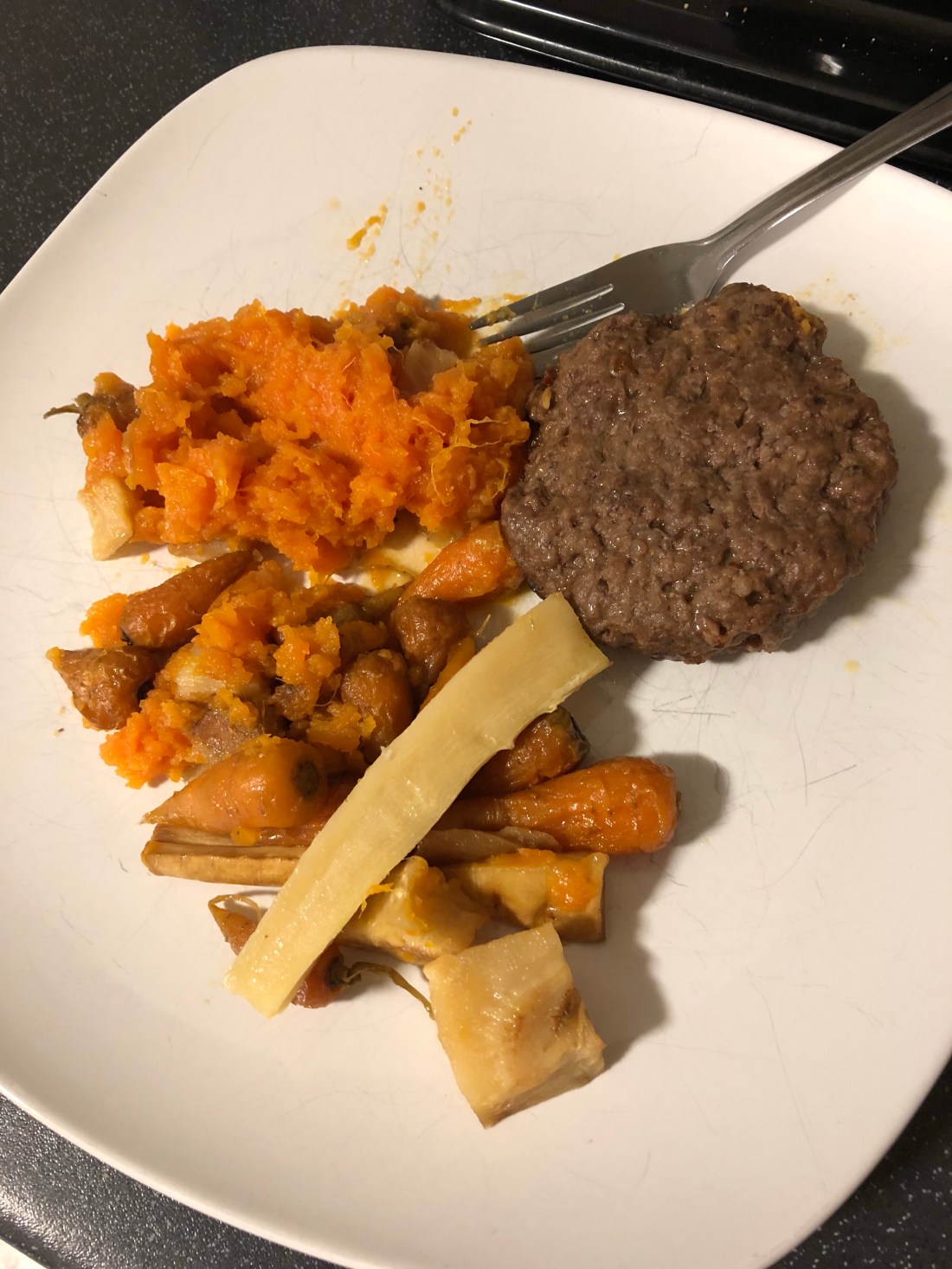
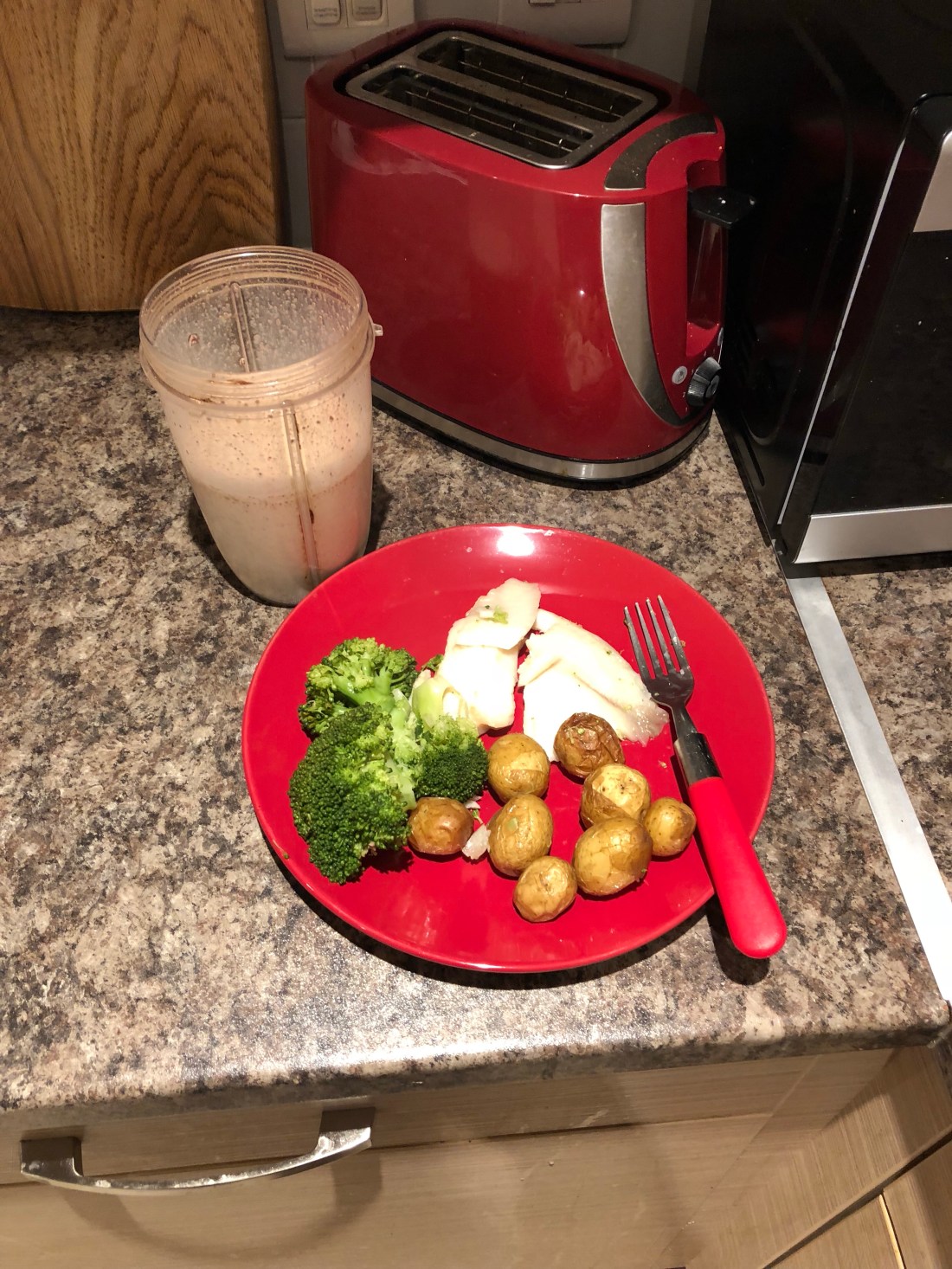
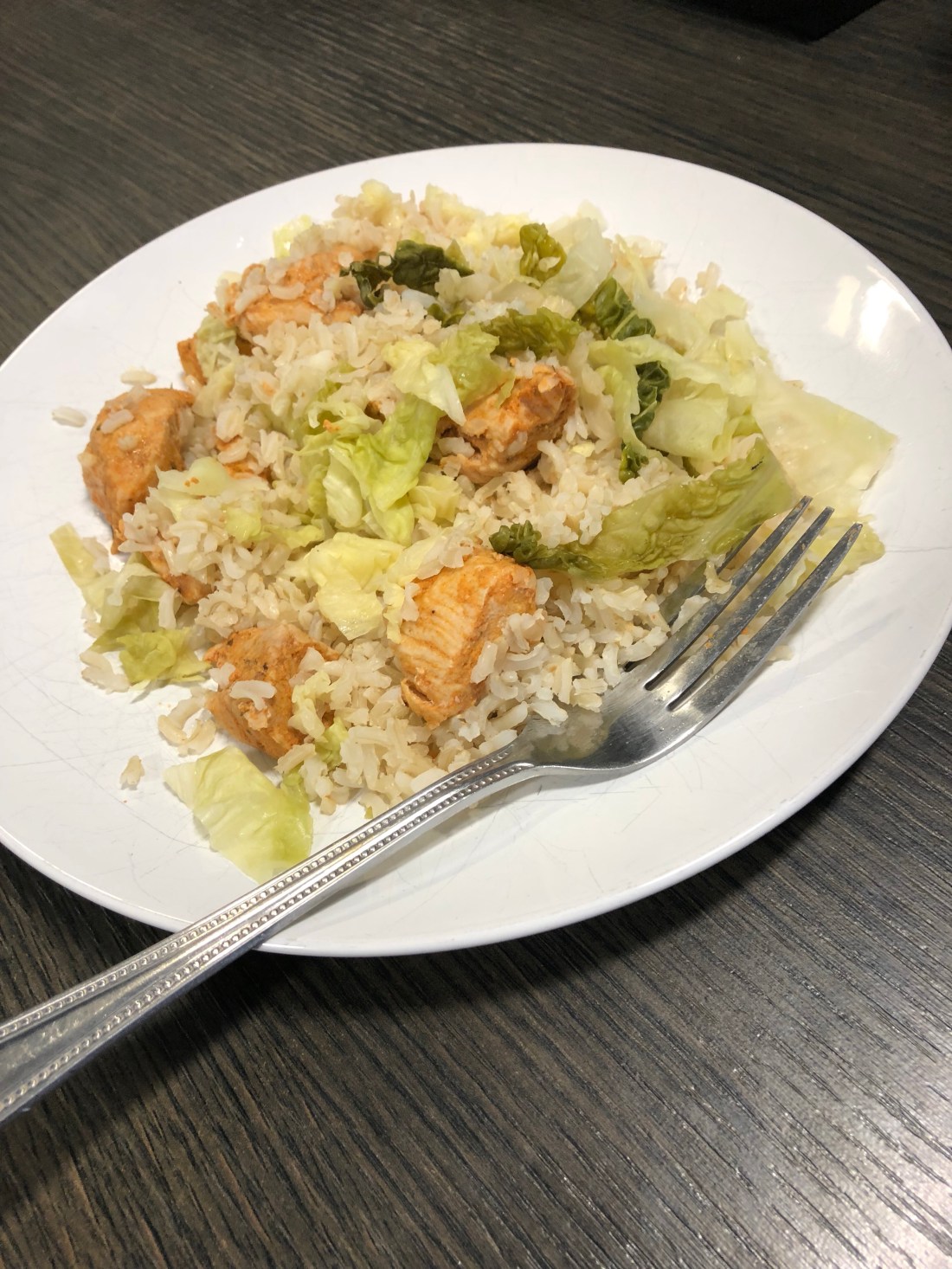
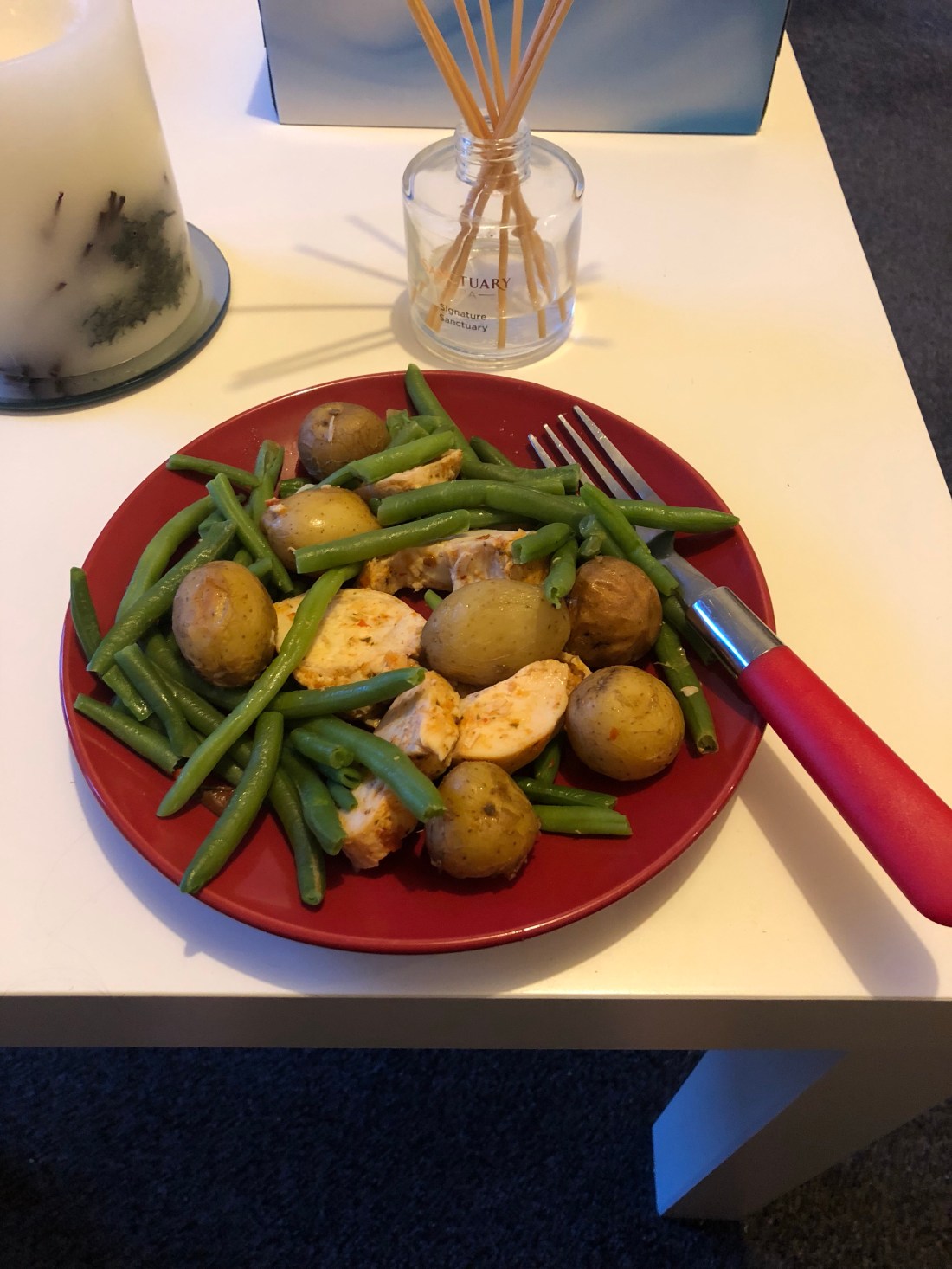
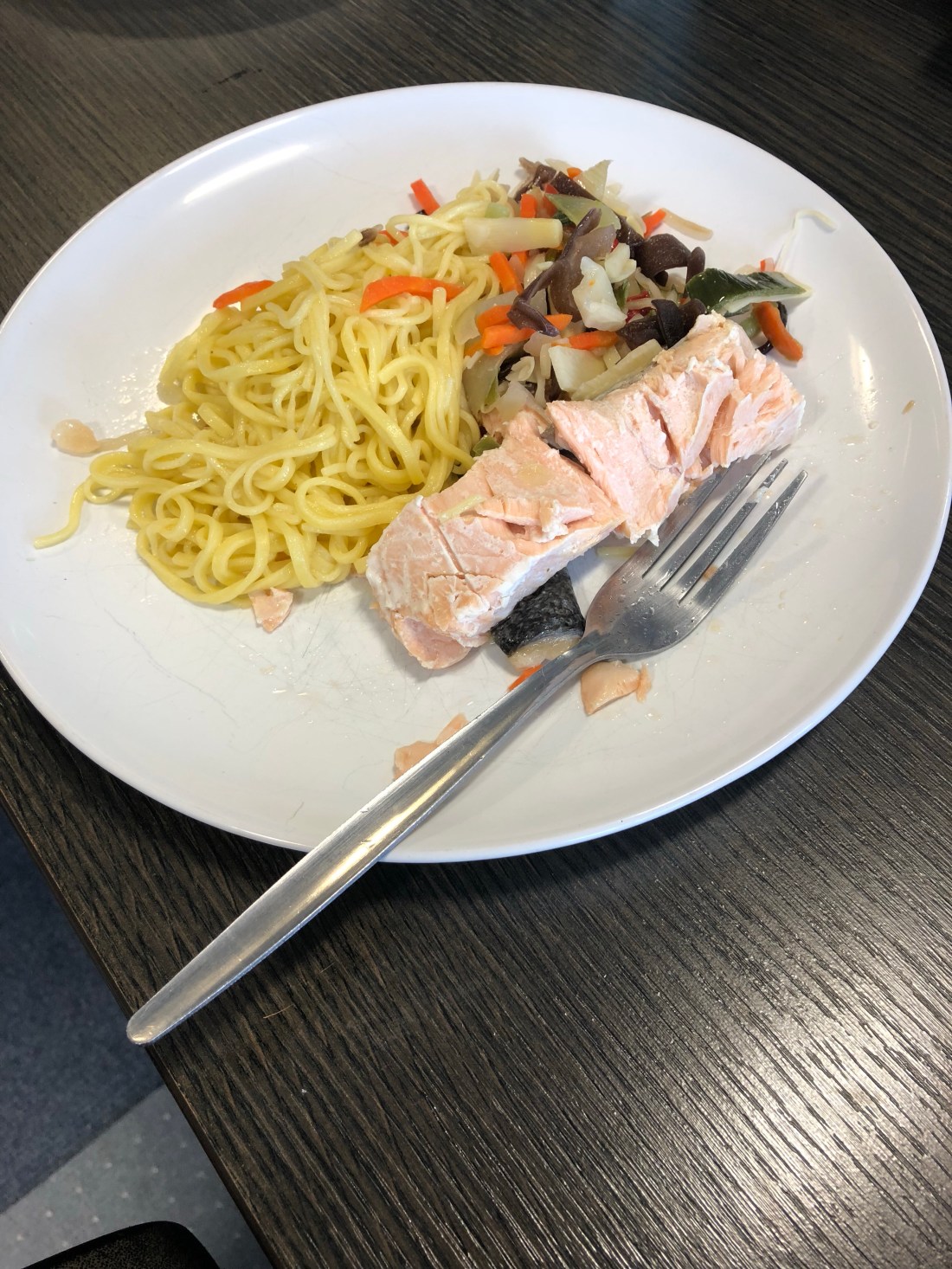
When this happens I find the easiest way for me to reset is to have a week of no ‘rules’ but decent food and for me the simplest way to do this is order in some meal prep.

I’d love to be able to afford to buy meal prep every week but it’s a bit beyond my budget however for a week to take away stress, add variety without having the stress of cooking it’s a really good idea.

I used PerfectPrep. They deliver nationally (UK) and I got 14 meals for £72. They were delivered Tuesday and lasted me until the end of Sunday (on Wednesday and Thursday I had 3 meals).

I added in my own breakfasts and snacks and by the end of the week with zero effort or proper planning I’d hit my calorie target and my protein targets for the week. I felt better and this week have eased back into my normal eating habits feeling like my mind has re-see itself.

Have a system that allows you to eat well but accept that sometimes you will need to mix things up for a bit and having some back up plans, like I had here, allows you to re-set without just saying sod it and eating everything and anything you can lay your hands on.

Useful Lists …

Protein is an essential part of any diet – a building block of bones, muscle, cartilage, skin and blood. Assists recovery post exercise and can help reduce hunger (and so help achieve a calorie deficit in some instances).

I try to eat around 160g a day.

Having an idea of what foods are high in protein can help keep you hit your protein aims without having to religiously input everything you eat into My Fitness Pal.

15 High Protein Foods (protein per 100g)

1. Salmon – 24g

2. Turkey – 30g

3. Prawns – 15g

4. Chicken -33g

5. Pork – 23g

6. Pumpkin seeds – 30g (100g of seeds is a lot though!)

7. Lamb – 25g

8. Beef Jerky – 30g

9. Cod – 18g

10. Cottage cheese – 10g (a tub is normally 25-30g)

11. Greek Yoghurt – 10g

12. Canned tuna – 25g (a tin is normally 100g drained)

13. Lean beef – 36g

14. Quinoa- 5g

15. Cheddar cheese – 25g (this is the equivalent to 5 mini babybels though!)

My Unexpected Breakfast Hero

Last week I had a bit of a rubbish week nutrition wise – and I know to be honest it was largely down to my breakfasts.

Some people say they can’t eat breakfast- I am the total opposite- I need a good breakfast to set me up for the day.

Last week I just found myself not enjoying my normal breakfasts – I just didn’t fancy them and I found that this dissatisfaction towards my breakfast prep quickly spread to all my other meals and I soon found myself snubbing my home made meal prep and opting for carbs upon carbs, sugar and generally processed, stodgy not particularly beneficial foods.

I decided that this week I needed a week away from Paleo.  I still think overall it’s the system that works best for me but I also know I occasionally get myself into a tizz and whilst I’m there restriction doesn’t really work.

So I ordered some meal prep for my main meals for this week (blog to follow later this week) and decided that for breakfast I would eat what I fancied.

Now I walk past McDonalds to get to work – and I teach first thing so by the time I do walk past I’m normally pretty hungry.  This week I’ve just gone in and ordered what I fancied.  This sounds pretty unhealthy, and yes they were high calorie meals, but actually, when you look at it, as breakfasts go they aren’t as bad as I first thought.

Here’s my thought process:


Traditional Breakfasts

Crunchy Nut Cornflakes with semi skimmed milk (30g)

180 calories

31g carbs

4g fat

6g protein

Porridge with semi skimmed milk

243 calories

19g carbs

4g fat

8g protein

Two slices toast with butter

380 calories

56g carbs

16g fat

8g protein


Now I got these numbers from MyFitnessPal so I don’t claim they are 100% accurate. These are the type of things we traditionally eat in the morning.  They are all quite low in calories and protein and high in carbs.  For most people a 30g bowl of cornflakes is probably unrealistic – have you ever measured out a bowl of cereal- a suggested serving is massively disappointing!  My issues with these breakfasts is that, whilst they are low in calories they don’t provide me with much protein (and I try to eat 160g a day) nor will they fill me up – which means that any calories saved at breakfast are likely to be made up in snacking mid-morning when I get hungry.  Mentally they also don’t particularly satisfy me so again I’m much more likely to snack –an on stuff I shouldn’t snack on at that.

In comparison, this is what I had at McDonalds the last two mornings:


 McDonalds Breakfasts

Three pancakes with sausage and syrup plus extra sausage and bacon, Flat White coffee

988 calories

117g carbs

37g fat

39g protein

Sausage egg and cheese bagel with extra sausage and bacon, hash brown and Tropicana

1,058 calories

87g carbs

56g fat

45g protein

These breakfasts are about 70% higher calorie wise.  For some this would be extremely detrimental to their daily calorie intake granted.  However I burn 3,000 to 5,000 calories a day so I actually do need to eat a lot of calories each day to avoid a detrimentally low deficit. A thousand calorie breakfast therefore isn’t the worst things as my subsequent meals are unlikely to reach that level.  In addition these meals filled me up AND satisfied me.  I felt like I had had an enjoyable and filling breakfast and didn’t feel the need to start snacking an hour later.  The protein content of the meals was also high, hitting around 25% of my daily aim.

For my requirements then these higher calorie higher protein meals actually work better for me than the more traditional ideas of a breakfast.  And because I’ve felt satisfied and enjoyed my breakfast I’ve found it easier to stay on track the rest of the day.

Now normally when I’m following a Paleo style diet I have this:


My Go To Paleo breakfast –

Smoked salmon trimmings (half pack), 3 eggs and tomatoes

277 calories

5g carbs

22g fat

31g protein


This has the benefits of being high in protein and low in calories and fat whilst also being filling.  I know it’s better for me than a McDonalds breakfast.  Realistically I know for my long term health I need to eat this more often than I have a McDonalds breakfast.  Yet when I’m really not feeling this of a morning then rather than letting my whole day fall away because mentally I’m not going to be satisfied, because I know that today I’m going to throw a mental tantrum, the odd McDonalds breakfast won’t hurt.

In conclusion – as a society we tend to group things as good or bad, healthy or unhealthy.  However whether a food will work well in your diet or not actually depends on so many factors- what you eat the rest of the time, what you burn, how it makes you feel etc.  Rather than following accepted ideas about different meals we should look at our own situation on any given day, week or month and pick options that benefit us best in that moment – even if that might sometimes seem an unusual choice.

I’m not a trained nutritionist nor am I suggesting that you should have McDonalds for breakfast every single day – just that sometimes we need to look outside the boxes we are currently in and objectively review our options because no foods are simply good or bad – it’s never that black and white.


Things I’ve learnt over the last 18 months

  1. You aren’t perfect.

I think I’m like most people in that when I start something new I want to be 100% perfect or I feel like I’ve failed and need to start again.  But it’s impossible to never have slip ups on a long term plan.  Getting out of the cycle of deciding a whole week was a write off become of a bad day or bad meal was one of the biggest factors to starting to see results.

  1. Day 30 (or 60 or 100 or 200) is harder than day 1.

People always talk about Day 1- and in some ways Day 1 is tough, it’s the starting something new, the first step in making changes. But by the same token, Day 1 is exciting – it’s the start of something new, when you feel all positive and hopeful.  Sticking to something once the novelty wear off or once results start to slow is the real challenge.

  1. Consistency and steady progress is boring.

Everyone loves a Facebook status or Instagram post where they can show their before and after pictures demonstrating dramatic results.  Realistically though long lasting changes take time and progress isn’t always immediately apparent.

  1. The loudest people in the gym often don’t have a clue.

When I started venturing into the free weight section alone I used to feel so inferior.  All these people claiming space and equipment and confidently broadcasting their strengths and opinions on how things should be done.  I tend to assume that if someone is loud and forward with their opinion they must know their shit- and yeah, some do.  Get comfortable in the environment and take time to look and you will see however that many do not!  Go in, do your own thing with confidence and don’t worry about what anyone else is doing in terms of training or weights.

  1. You need to eat more.

I used to try and keep my calorie intake low – the bigger the calorie deficit the better.  Really, this makes you tired, makes training harder and will eventually stop you getting results.  Stick to a sensible calorie deficit and results will come and will be easier to maintain.

  1. There is no such thing as an ideal diet.

And by ideal I mean those diets you see advertised in magazines- ‘Eat all the cake and still lose weight’ ‘Drink all the Gin and still lose weight’.  We would all like that magic diet which would allow us to eat as much of our favourite foods as often as we like and still loose 10lbs per week.  Essentially, though, if you look at them, all these diets still involve some form of restriction – eat low calorie meals through the day and allow yourself cake everyday in moderation (i.e. a small slice).  You therefore have to accept that you can eat what you want within reason but if you also want to stay within a calorie allowance and hit your Macros you will need to balance that out with sensible options for other meals. I have 4 pretty strict days to allow me the freedom to have 3 pretty relaxed days and stay within my goals.  That means for 4 days a week I sometimes have to say no to things I want in return for that relaxed weekend.

  1. Some days will be shit.

Not all training sessions will be fun, not all will bring PBs, sometimes you will feel like you have made no progress.  If every session was a great session they would just be your normal sessions.  Accept that even a tough session will bring benefits to you and don’t sweat it.

  1. Rest is important

When you start it feels like you will get more results if you keep on going and do as much as you can.  Rest allows your body to recover and prevents overtraining though and in the long term will improve your results.

  1. You can’t do everything.

It’s tempting to try and master as many things as possible.  Realistically though unless you are naturally talented at something the chances are you will need to devote time to things to master them.  Therefore trying to win a Strongman competition whilst also training for a marathon is probably not going to work.  Pick your thing and focus on that.  I wanted to run a second marathon but with teaching classes around my full time job I had to accept that finding time to fit the training in would not be possible and as I didn’t want to take a break from teaching I put that aim on the backburner.

  1. Weight is a bad indicator of progress.

Muscle weighs more than fat, your body is full of water blah blah blah.  At first you may be able to monitor your weight- eventually you will need to go off clothes size or pictures if you don’t want to feel completely demotivated.

One for the Ladies

Solidly aimed at 50% of the population this one.  Sorry.

When I’m on my period I literally crave fatty, sugary, salty foods.  When you spend a lot of time trying to eat well this is pretty annoying so I’ve spent a reasonable amount of time looking into why and what I can do to try and make myself feel better (because I suffer from horrible cramps most months and bloat enough to feel like I may actually be pregnant with a baby Elephant) without giving into eating 10,000 calories of pure fat and sugar a day.

Just before and during our periods our Serotonin levels lower (less feel good hormones), our stress hormones spike (not helping in the feeling good department) and our bodies use more calories making us feel hungry more often.  It’s therefore not hugely surprising we want to comfort eat- but apart from eating too much of the crap stuff affecting your body shape aims (I won’t say weight!) eating too much sugar will also cause a spike followed by a crash and burn which also doesn’t make you feel good in the long run.

I’ve therefore been making an effort to read up on what foods will help make me feel better without having a negative affect on looking after myself in general to try and implement them more into my diet .

Foods To Eat:

  1. Water – Not really food but hydrating well helps keep skin clear, prevent bloating (the better hydrated you are the les likely you will retain water) and reduce cramps.
  2. Almonds – also sesame seeds / flax seeds- these have calcium in them and calcium (but not dairy) can help reduce cramps.
  3. Dark chocolate – A little dark chocolate can help relax muscles and so reduce cramps, it will also help release some happy hormones.
  4. Celery – Full of water but not full of calories so a good option if you feel the need to constantly graze!
  5. Hummus- This one may be a bit controversial. I have read that chickpea’s can help you sleep better and also help improve mood. I have also read however that they can be classed as a Legume and cause bloating so perhaps eat in moderation.
  6. Pineapple – Help relax muscles (less cramps) and reduce bloating
  7. Bananas – Helps relax muscles (reduce cramping) also contains Vitamin B6 which can help improve your mood. Banana’s are also good at helping to regulate the digestive system, which some women can have problems with during this time.
  8. Tea – Yes it has caffeine in it, but it’s apparently better for you than coffee (which can increase anxiety levels and cause you to and retain water). Other types of tea can also help: Green tea for instance provides a little caffine still, peppermint tea can help soothe an upset stomach, Chamomile tea is relaxing and can help reduce anxiety.
  9. Spinach / Kale- These Superfoods have Calcium in them which assists in alleviating cramps. They are also Iron rich (our iron levels can drop whilst we are on our period hence why we crave iron rich foods).
  10. Salmon – This is full of omega 3 and Vitamin D. If you can eat it the week before you are due on it can have an anti – inflammatory effect.
  11. Oranges – Provide Calcium which can help relax cramping muscles and Vitamin D (can help regulate your mood).
  12. Brocolli – Full of Magnesium, potassium, Calcium, Vitamins A, C, B6, E – Good for improving your general mood and fighting fatigue.

Foods To Avoid:

  1. Fizzy drnks – Can cause bloating, plus sugary.
  2. Processed foods – Tend to be high sodium – sodium boats. Making food from scratch can reduces salt intake).
  3. Fried foods – Can elevate estrogen levels.
  4. Legumes( – I mentioned this before – some things I’ve read say hummus can help, others say avoid Kidney beans, blackbeans et.c due to their bloating effect.
  5. Refined grains (- refined foods can interfere with blood sugar levels and regular control of appetite, so whole grains are a better option than cookies, white bread etc.
  6. High fat foods – Can affect hormone activity and contribute to inflammation (and cramps)
  7. Coffee – Can increase anxiety / stress levels and contribute to water retention.

Really, this list is not too different to the type of foods I’d want to eat more of / avoid at any other time of the month but if you tend to feel a bit rubbish at certain points in your cycle knowing how you can help manage those symptoms (painkillers and hot water bottles aside) thinking about your diet isn’t a bad starting point.

Note- I’m not a trained nutritionists this is simply based on my own research about something that affects me- I would always recommend you see a qualified dietitian should you need advice!

My Personal 10 Commandments for a Healthy Life

  1. Aim to hit a 20% calorie deficit across the week. Find a system for doing this and stick to it- don’t be swayed by new fads. My system is to eat to Paleo principles (not strict Paleo) 4 days a week and then allow myself three days where I can enjoy treats (read cake).
  2. Start your calorie week on a Friday. You are more likely to have a calorie surpluss at the weekend – this allows you Monday to Thursday to pull back and still hit that 20% weekly calorie deficit if that does happen and stops you feeeling like you are being overly restricted.
  3. Eat at least 2g protein per kg body weight every day (for me 160g). This will make you feel full, help your body recover from training and means Carbs and Fat will look after themselves.
  4. Drink 3.5 litres water a day (this is based on based on 30ml water per kg of body weight plus 500 ml for every hour of exercise – I just average out based on my normal training week).
  5. Drink a max of 3 coffees per day.
  6. Take a multi vitamin and fish oil supplement every day.
  7. Have a little bit of dark chocolate each day when on your period if you suffer with cramps (magnesium can help relax muscles reducing cramps, and sugar can boost your serotonin levels which can drop – hence feeling like you want to cry). I believe Kale can also help reduce cramping but for some reason doesn’t hold the same appeal as chocolate!
  8. Train in a way that suits your life and your week. I don’t lift as heavy as many and my sessions are shorter than most people I know – but they fit into my working life allowing me to stay consistent enough to see results. If it’s going to be tough one week to fit in your training – adjust your plans to feel successful.
  9. Stretch every day.
  10. Get up 30 minutes early and develop a morning routine that helps set you up for the day. I like to get some day light, drink a large glass of water and read a chapter of a book (as I don’t get much ‘me’ time during the rest of he day).

Credit – Ricky Long, who bullied me into most of these things – but they work!

Facebook

https://www.facebook.com/groups/243767835762478/

Instagram @rickylong42

What is and isn’t Role Model for a Fitness Professional / Brand

As a fitness instructor or PT, how does your own lifestyle and physique matter?

In recent months I have seen so many Facebook posts debating this issue in a variety of ways and from a wide range of perspectives:

  • From an individual instructors point of view does it matter if you are, in less than perfect condition? What does out of shape even mean? What is too big or not fit enough? Can you go the opposite way and be intimidating or make people feel bad because of your physique or fitness? Is your lifestyle role model material and how do you balance your own real life situations with clients expectations of you?  Does any of that even matter or should people just mind their own business?
  • For Fitness brands – How should you select people to represent your brand? Should everyone look the same or should diversity matter? If diversity matters should that trump their ability to do the job?  Are there some shapes that should not be represented no matter what public opinion says because they do not fit your brand or what you want to represent (perhaps you view them as unhealthy)?

For myself I have been overweight, I have been very skinny and am now less skinny, more lean.  I’m not the strongest person in the world but could be described as reasonably strong.  I’m definitely a work in progress.

I have had a lot of positive feedback from members over the last year as they have seen my body become leaner and more muscular / defined.  I work in a gym where there are already instructors with very good physiques (far better than mine) who definitely inspire a lot of members.  Equally however for many (particularly females) seeing my shape change has created a dialogue about how I’ve done it and hopefully created a positive message that progress takes time and patience and doesn’t just happen overnight.  So for me for every member / client who wants their instructor to look like a Greek God there will be others who find more motivation from somebody who seems to be working on their own fitness at the same time. Likewise, I think people generally appreciate that instructors have real life problems too and perhaps they have been injured or ill and are coming back from that and may not be in their peak shape – that in itself can provide motivation and inspiration to people.

Physically therefore I think fitness instructors can be positive role models regardless of physique.  Here I think the most important element is how we promote health and fitness.  I tend to be about balance – we want to eat well and exercise  to feel good and give us energy but we have to allow ourselves room to live too, and unless we are training for a very time specific goal 80/20 is a good rule to live by.  How should you find that balance? For me there isn’t a right or wrong answer- what works for me may not for someone else.  If we promote sensible healthy habits and show that we live by these rules I think we are decent role models – why pretend we never let a cake or glass of wine pass our lips and provide people with unrealistic expectations for themselves, which just set them up for failure.  If we preach moderation but then over train ourselves or say you should eat everything in moderation but dangerously restrict our own calorie intake i don’t think that is great role modeling.

I think for fitness brands this issue is far more complex but the importance of presenting positive role models becomes even more important as these people will have greater exposure than your average fitness instructor.

These brands are businesses so how they select the people who will represent it naturally will depend on and reflect their values.  For some people diversity seems to be the key – customers want to see a mixture of ages, sizes, backgrounds to make a brand feel inclusive- they want to feel represented.  I tend to lean more to the school of thought that people should be selected because they are the best people for that job – not because they tick a box on an equality drive.  Yes sometimes this means that some groups are under represented but this highlights the issue of why some groups are more or less likely to succeed in certain roles (e.g. why there tends to be fewer women on boards in business etc.) .  Of course if people who are perfectly good for a role are overlooked because they are deemed too old, not skinny enough not attractive enough this would lead me to question that brands values.

It’s actually a more important marketing point than the mere morals of employment law however.  If you area large brand with a big following the type of people you choose to represent you say something about your beliefs.  Can you truly promote inclusivity and everyone being welcome in your world / sphere of the fitness arena if everyone who represents you is a size 8 and under 30? Do these people provide motivation – an inspirational image of what can be achieved? Or does it suggest to customers who are older or larger that they are inferior / do not fit in?

I appreciate this is difficult because if you are good enough to represent a big brand you are possibly at the top of your game – if you are at the top of your game are you therefore likely to be a certain age and size? Or does this train of reasoning exclude the fact that peak fitness isn’t limited to one size / shape / level and therefore there should be more diversity to show a variety of people a variety of ways they could work towards their fitness goals?

Finally, there is one particularly sensitive subject – regarding those people who are very very slim. I say this is sensitive as, the way I see it, there are different reasons someone could look very skinny.  Some people are naturally very slight- they can try all sorts and struggle to put on weight- should these people be prevented to rising to the top of their fields any more than someone who naturally carries weight and find it hard to lose it?  Some people this size however, will be small because they restrict their calorie intake in a way that is not healthy to promote.  Is it responsible of a brand to allow these people to be presented to potentially susceptible customers as role models?  How does one distinguish between the two?  How do you stop the audience from trying to aspire to a physique that may only be attainable to them through starvation even if the person in question is just naturally built like this (it’s a similar debate to that of the Supermodel one which has been ongoing for years)?

On the same token, is it therefore also irresponsible to promote people as role models if they are overweight?  Does this equally imply that this is a healthy aspiration?  Is this balance between not wanting to encourage people to be stick thin or overweight the reason that for some brands everyone ends up looking the same?  Is it possible to strike a balance?

To be honest whilst I know where I stand on individuals instructors being positive role models for their clients / members I’m not sure which side of the fence I sit for brands.  I am torn between wanting more diversity in who is represented within the industry but also against a drive for diversity topping all other aims within fitness.

I do think that in an industry that is largely focused on aesthetics this type of debate is unlikely to ever be settled.

I Don’t Have Time

“I don’t have time.”

I eat pretty well most of the time, I plan my meals, meal prep once or twice a week and train 3-4 times a week on top of teaching my classes and my day job (I make myself sound better than I am here but I do do these things).

I’m not saying everyone should do this. I train because I enjoy it and I meal prep because I want to feel healthy and look a certain way.

I strongly believe everyone else should train and eat in a manner that provides the outcomes they want – whether that be to look a certain way, feel a certain way, gain or lose weight or just eat whatever the f@@k they want and enjoy it.

Often – as I sit with my tupperware box of food someone says to me – I wish I had the time to prepare food to bring in.

As I head to the gym after work people will remark I wish I had free time to go to the gym after work.

My normal response is.

  1. I set aside one or two hours on a Sunday to prepare all my meals for the week because I know I won’t have time to make meals in the week so perhaps they could do the same.
  2. I enjoy training so I make the time so if they did want to train they could probably do the same and find one or two windows a week.

The normal response to this is

  1. Oh but I don’t have time to spend two hours on cooking on a Sunday- I work all day and barely get any time to myself / with my family so I’m not wasting time on Sunday cooking.
  2. Oh but after work I’m tired / have to get home to the kids / go to the pub after work.

Now…

The implication here is almost a little (unintentionally) assumptive about me – that I do have two hours where I personally wouldn’t rather be out with friends on a Sunday or that I would have nothing else to do of an evening.

The fact is I have made a choice.

  1. I choose to eat homemade food because it’s cheaper and I feel better for it and know if I didn’t take food to work with me I would end up living off fast food and chocolate. I also know that as I’m out and about from about 6 am until around 10 pm most weekdays if I don’t meal prep on a Sunday I won’t want to when I get in at 10 pm so I’ll be reaching for the takeaways.

I am aware of my obstacles to healthy eating – I CHOOSE to overcome them and find solutions. That solution is finding some time in my week to prepare.

Would I rather not spend 2 hours on meal prep each week? Of course – but then if I don’t I know I can’t really complain about not having the food I want to eat during the week. I would need to eat whatever was served in the staff canteen and accept that has been my choice

2. I choose to go to the gym after work sometimes (most of the time it’s for work i.e. I’m teaching a class), not because I have nothing else to do, but because I value how I feel after training. If I have plans that evening or am teaching, I will train on my lunch break. In other words I fit my training sessions around my life and job(s). Again, this is a choice I could choose not to do this but I couldn’t truly blame this choice on my circumstances – it would be a case of me prioritising something else over training.

I go back to my point that I don’t think people who do not prioritise exercise or anything else are wrong. We should all decide how we can live our own happiest life and not be judged. To those who happily go about life eating cake and never setting foot in a gym fair enough – because they are happy (and this sounds quite good to be fair).

I’m talking about are those who repeatedly say they WANT to be fitter or thinner or eat better or anything else (insert any goal – fitness related or not here) but when it is suggested how they could achieve this there is a list of ‘Buts’. Reasons why they cannot take the actions that could help them towards their goal.

So when someone says to me I wish I could do what you do and eat that or go to the gym what they mean is I wish I could get the results without having to do the things that get the results – which is a different thing entirely.

“I don’t have time” translated into honesty is “I don’t really want to.”

I do these things because I’ve decided they are important to me. It doesn’t mean they are easy or I do not have obstacles and ‘buts’ I need to overcome but that I make a choice each day.

I’ve found it useful when making an excuse for not doing something to think about it in that context – because if you really want it you will work out a way of doing it. If you don’t that’s OK but just be honest with yourself and admit that- at least then you can get on with things you do give a real f@@k about.

A recent example for me – I kept saying I wanted to run another marathon- to do this I knew I’d need to make time in my day for weekly long runs. This was doable but would require sacrifice – I kept making excuses until eventually I said you know what, I value my Sunday morning lie in more than running another marathon so I’ve given up on that idea.

If we want to change we can – we can make small changes, mini sacrifices, find life hacks to get closer to that change. It’s generally easier to make excuses, which is why we so often do that.

Next time you think I don’t have the time maybe reconsider rephrasing that in your own mind to evaluate if that is really true or if you actually just aren’t as bothered about it after all- I don’t want to sound preachy, it’s just been a really useful tool for me I wanted to share.

Shopping Locally

I love fruit.  I don’t think there is a single type of fruit I don’t enjoy and it’s one of those foods that makes me feel better when I eat it (I know some fruits can be naturally quite high in sugar but, right or wrong, I work on the basis that unprocessed foods are probably ok for you in moderation).

I try to buy a variety of different types of fruit each week and then have at least two different types each day- so I’m getting variety and a range of different nutrients and tend to have it as a mid morning snack.

This can be expensive!

This blog isn’t about the scandal that is fast / processed food being cheaper than the stuff that’s naturally good for you, or a lecture about how, if you value your health, paying more for food is an investment.

It’s about local markets.

I’m probaby a bit late to the game with this one- you may already buy your fruit from local market stalls.  I live in Manchester City Centre (in the UK) and don’t drive and there aren’t lots of lcoal markets so I’ve always relied on supermarket fruit- which tends to have a short shelf life and if you want a nice variety is not cheap.

I recently discovered the fruit and veg stall in Picadully Gardens on a Staurday (I think there is also a fruit stall in the indoors Arndale Market too aong with a fish monger and butchers- all of which I’ve yet to try but I will).  I’ve been going weekly for a fews now and last Staurday I got a punnet of strawberries, punnet of blueberries, punnet of blackberries, box of grapes and tub of apricots for a fiver.  That’s good value- plus it doesn’t go off really quickly so I can make it last the whole week and the Blackbrries were HUGE and really juicy.

It’s actually also really nice to get served by the same people every week rather than using the self scanner at Asda!

I need to shop locally more often and fully intend to test the value for money of the other market stalls inside the Arndale over the coming weeks.  If you don’t already, I can highly recommend finding your local market and giving them a go, because eating well can be expensive – so if helping out local business also helps your own wallet it’s a win all round.

On another fruit related note –  it’s been bought to my attention that I may eat Kiwis strangely. 

I eat them with the skin on!

Now I’ve been led to believe this provides more fibre and vitamin C than eating the flesh alone but apparently it creeps some people out!

I can’t be the only person to do this?    

Fat Shaming – a Real Life Story

A couple weeks ago I was walking down the street at lunch time (on my way to buy an icecream… errrr… I mean an apple …) and a man called me fatty.  Literally. A stranger.  Just called me fat.

Now I’m not skinny but I’m not fat by any means. I’m quite strong and reasonably defined – but not overweight.

I am also apparently quite thin skinned because this throw away comment really ate away at me all day and knocked my confidence a lot.

I’d not had the best week food wise (and was on my way to get icecream) so it fed into all my negative perceptions of myself, because I already felt a little bit out of sorts.

I mulled it over several times in my head and with people before I felt better about it.  I wanted to write about it at the time but to be honest it actually knocked my confidence too much to commit it to paper.

A few weeks later and with some perspective, I want to make two observations about this comment.

First, for your own mental wellbeing learning when not to give a shit matters.  I lost so much of my day being upset about the opinion of someone I’ve never met.  More to the point it wasn’t even an accurate comment because I’m not fat – would I have been so upset if he’d have said today is Tuesday (when it was in fact Thursday), an equally inaccurate comment? Of course not.   Even more importantly – if I was fat his opinion on the subject still wouldn’t matter.

I’m healthy and fit – what anyone else thinks of my choices surrounding my body or lifestyle are irrelevant as long as I am happy with what I’m doing.

Second, setting aside point 1, we should all be careful with our words.  I’m almost positive that man thought nothing more of that throw away line.  I mean yes, it was unnecessary and mean, but he probably never gave it a second thought.  Yet it affected me for hours- knocked my confidence, bought up insecurities.  If he had thought about that would he have still said it? Perhaps… but I think he was probably just a dick to be honest.

What we say without thinking and see as insignificant may mean more to and affect the person we are talking to in a much bigger way.  That doesn’t mean we should never speak our mind- sometimes people get too easily offended- and we can’t be held responsible for how others interpret our words and their meaning.  But.  If we know something could be taken negatively (calling someone fat for instance- a pretty sure bet) and there isn’t an actual need to say it – why do it?  Even if you think it’s not a big deal- it could be to the person you are talking to.  It’s just spiteful.  Be a nice person not a prat.

So the next time someone decides to shout an insult at me in the street (I’m sure it will happen some people are just idiots) I shall ignore them and be happier for it knowing I’m more in control of my own feelings that I was just a few weeks ago.

So really the man did me a favour.